Ultimate Guide to the Shinkansen Japanese Bullet Trains, All You Need to Know!
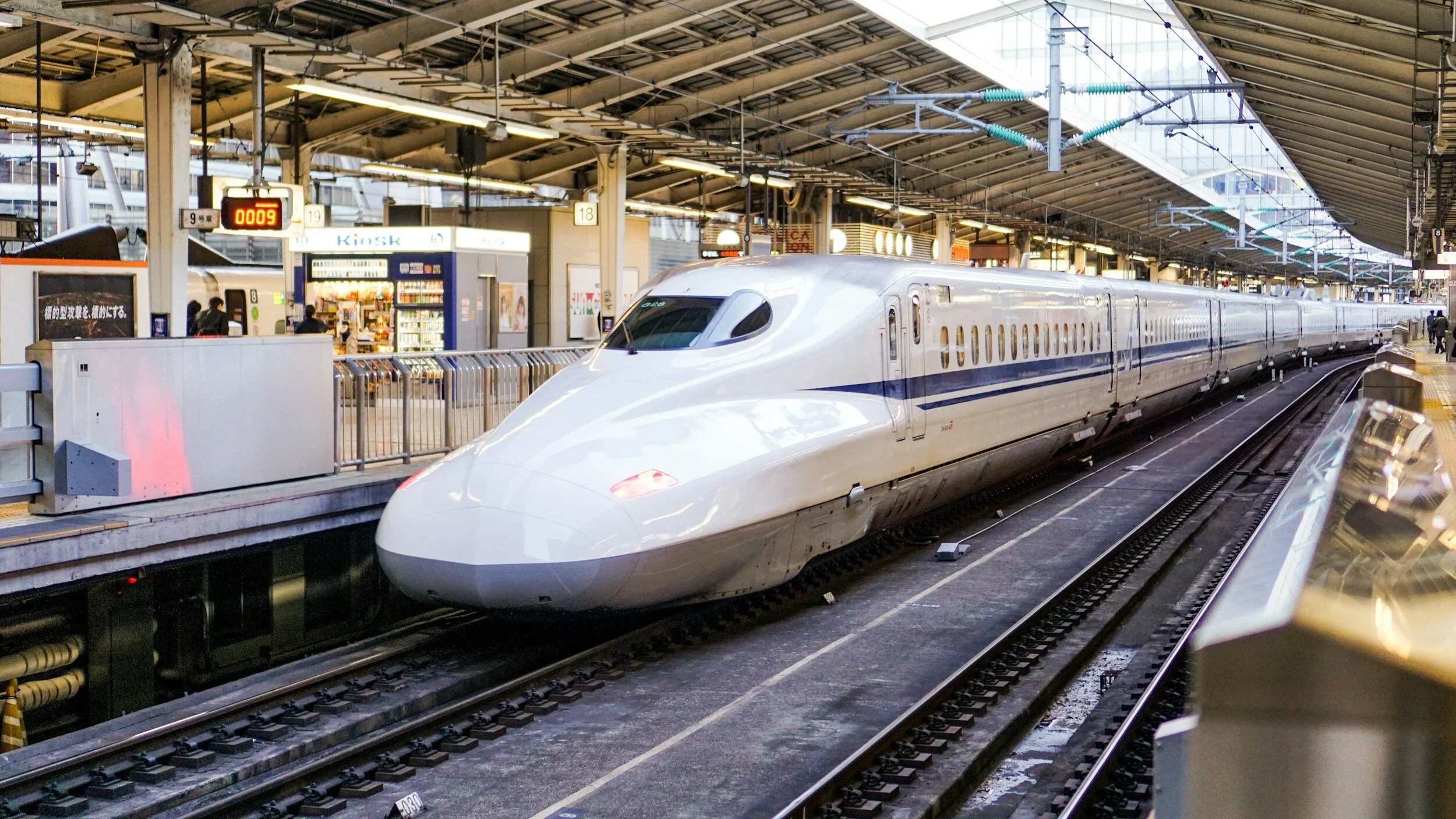
The pride and joy of Japanese engineering, the Shinkansen Japanese Bullet Train!
There’s nothing quite like riding on the pride and joy of Japanese engineering! The Shinkansen, the iconic Japanese Bullet Train that zooms its way all across the country. You could leave Tokyo in the morning attend a business meeting in Hiroshima, and then be back in Tokyo just before dinner!
The Japanese Bullet Train is fast, insanely efficient, and honestly one of the most memorable parts of traveling around Japan, it’s also something that should be on your checklist of things to do in Japan!
This guide is for you if it’s your first time in Japan, or if you’re planning to travel to multiple cities in Japan and are looking for ways to save some money. I’ll break down everything you actually need to know about the Shinkansen and theJapanese Bullet Train system. Things like how the routes work, how to buy tickets, whether the JR Pass is worth it, and practical tips to make your journey easy. By the end, you’ll be able to navigate the entirety of the land of the rising sun like a pro!
Affiliate Disclaimer: This page contains affiliate links. By clicking on the links and purchasing the product, I will receive a partial commission at no cost to you. All of these products are ones that I fully trust and recommend with my heart. Thank you for your support!
Introduction to JR, What is the Shinkansen?
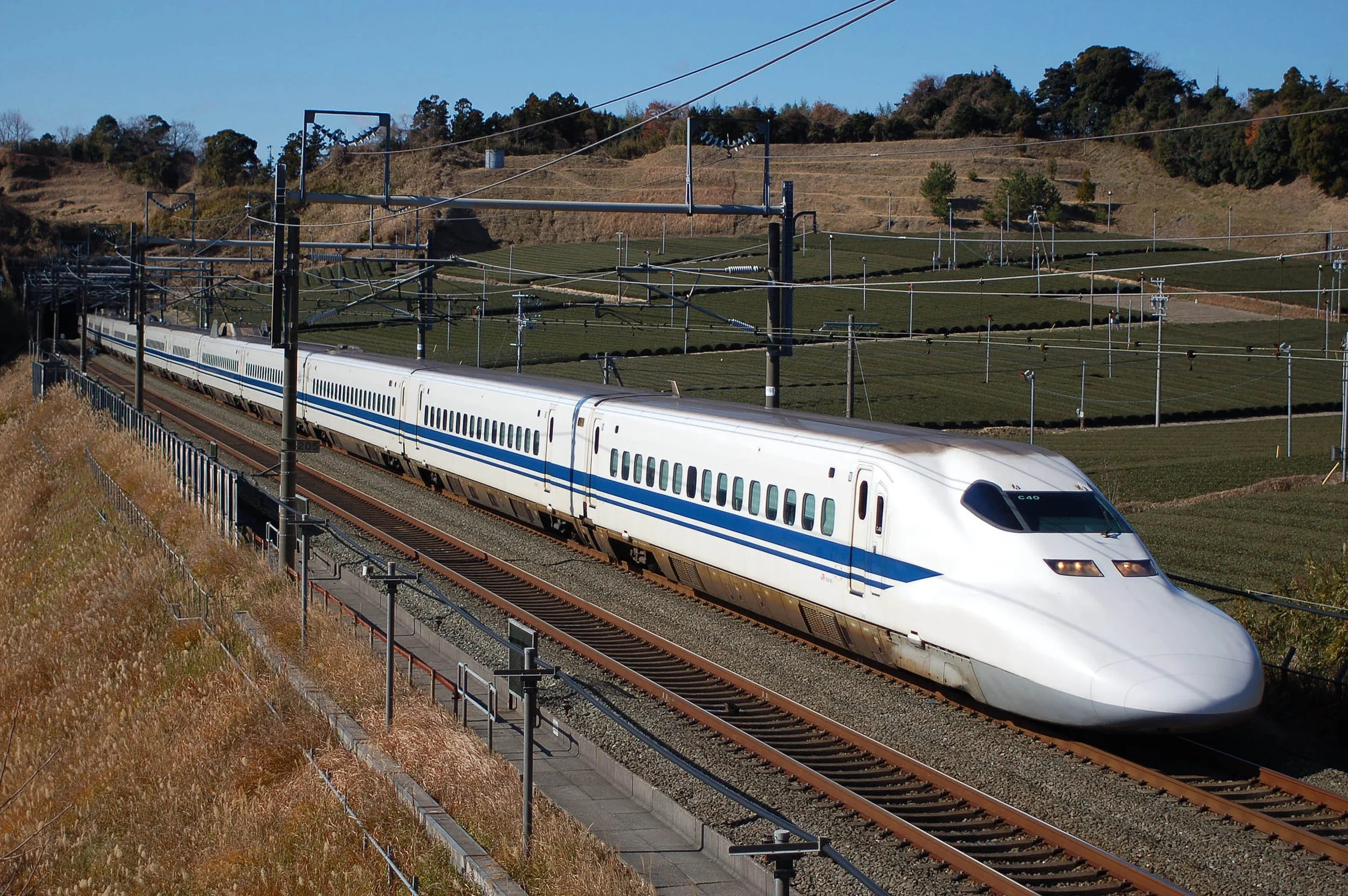
These use to be the fastest trains in the entire world!
I’ve been referring to Japan’s Railway system as JR, and that’s what it means, “JR” stands for Japan Railways. This is the main railway network that runs most of the trains across the country, this of course includes the famous Shinkansen (Japanese Bullet Train).
But what exactly is the Shinkansen? Basically, it’s an insanely fast train. Japan’s high-speed train that is capable of going up 320 km/h (though average operating speed is ~285 km/h). The Shinkansen connects all of the major cities in Japan like the obvious Tokyo, Kyoto, Osaka, Yokohama, Sapporo, and many many more…
And what I like the most is that this highly complex and intricate railway system is PUNCTUAL. That’s right, it’s on time, all the time. I’m not kidding, I’ve been on many Shinkansen rides and they are never a minute late (or early)!
Basically, if you’re in Japan and ever need to go to another city, and go there fast, the Shinkansen, Japanese Bullet Train is always there for you
Shinkansen Japanese Bullet Train vs Planes vs Bus
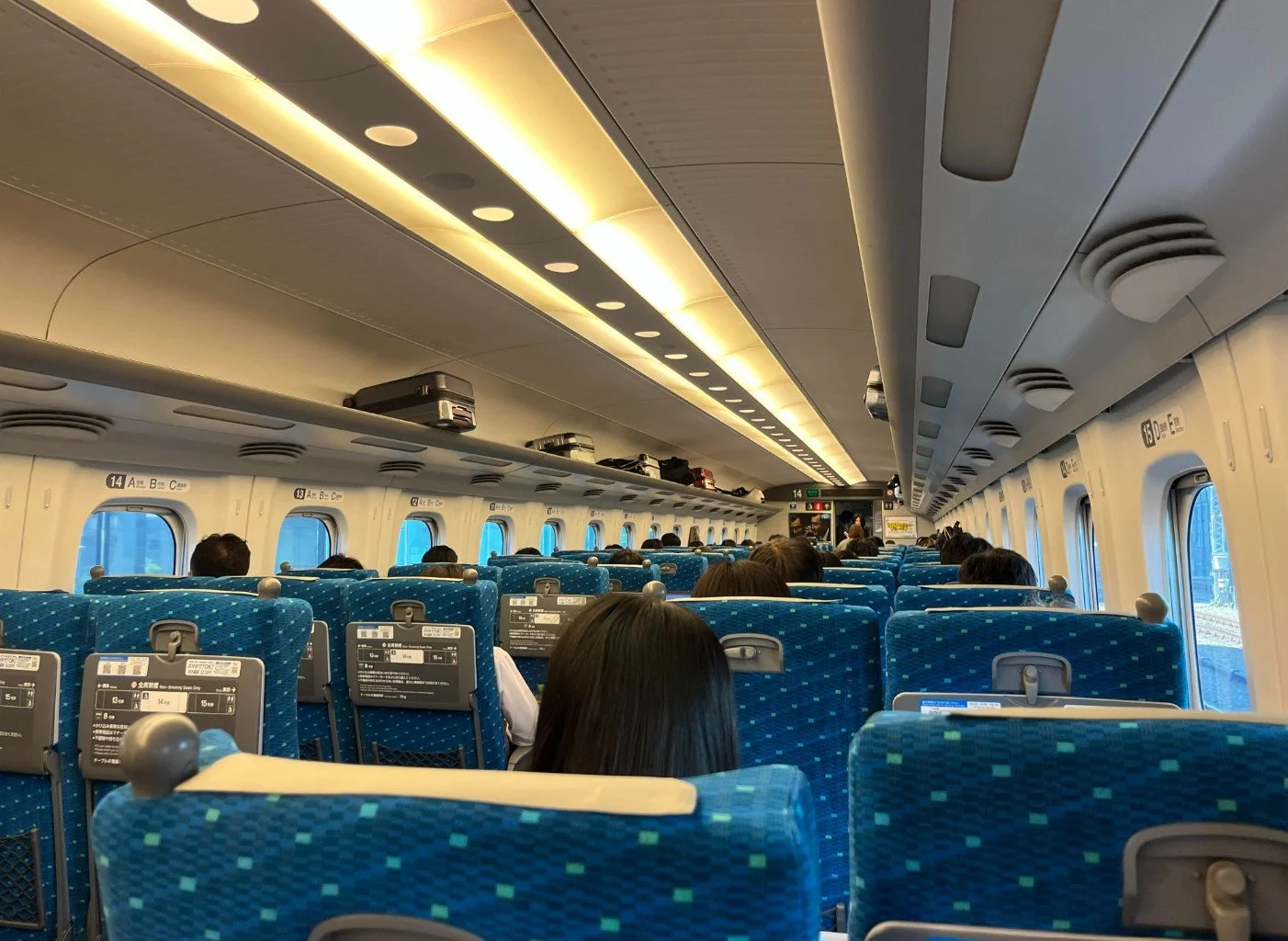
Similar to an airplane but way more spacious and comfortable
You could fly domestically but in my humble opinion, the Shinkansen Japanese Bullet Train is usually the better option, don’t even mention the bus…
Think about it, for example say you’re riding the Shinkansen from Tokyo to Osaka. The Japanese Bullet Train will take you 2 hours and 10 minutes. A plane will take you 1 hour and 15 minutes BUT factor in the time of going through security, loading your luggage, flight delays, retrieving your luggage, and you’d end up taking the same amount or even more time as riding the Shinkansen.
Oh the bus takes about 6 hours by the way…
When riding the Japanese Bullet Train, the time you save and the overall experience of riding what is arguably the modern world’s most iconic railway transportation vehicle, the Shinkansen the clear winner for most travelers… Including you (probably) :)
Shinkansen Lines and Routes Explained
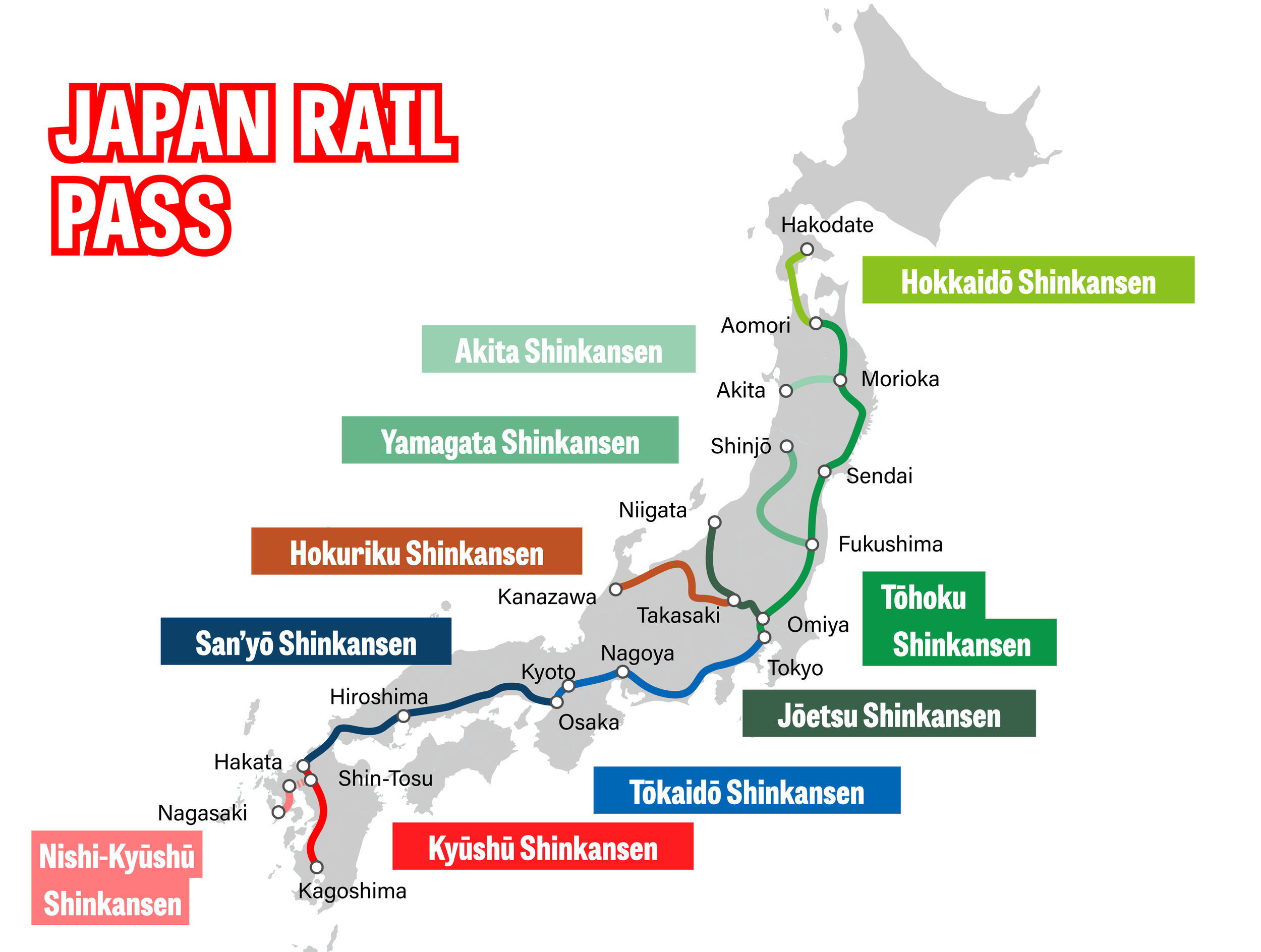
In total, the Shinkansen network consists of 9 lines spread throughout Japan
As previously mentioned, the Shinkansen network covers the entirety of the Japanese mainland + Hokkaido. But the Japanese Bullet Train network is split into multiple lines, in total there are 7 lines (technically 9) I’ll go over each of them briefly…
Tokaido Shinkansen (Most Popular Route)
If you’re visiting Japan for the first time, this is the Shinkansen line you’ll almost definitely use. The Tokaido line connects Tokyo → Kyoto → Osaka, which makes it the backbone of the classic Japan itinerary like my 5 Days in Osaka Itinerary for example. The Tokyo to Osaka Shinkansen and Tokyo to Kyoto bullet train routes run along this line, and they’re fast, frequent, and super convenient. This is the route I’ve personally used the most.
Sanyo Shinkansen
Think of this as the extension of the Tokaido line. Once you reach Osaka, the Sanyo Shinkansen continues west to places like Okayama and Hiroshima. If you’re planning to visit Hiroshima for its history or food scene, this Japanese Bullet Train route is the easiest way to get there. It pairs perfectly with the Tokyo–Osaka route if you want to explore deeper into western Japan.
Tohoku Shinkansen (Including Yamagata & Akita Lines)
Heading north from Tokyo, the Tohoku Shinkansen takes you into a completely different side of Japan that is less crowded, more nature, and features amazing seasonal views. It connects cities like Sendai, Morioka, and Aomori, with branch lines to Yamagata and Akita (the 2 lines that make up the “technically 10”). If you’re chasing cherry blossoms or winter snow landscapes, this Japanese Bullet Train route is a great choice.
Hokkaido Shinkansen
This line pushes even further north, connecting Tokyo all the way to Hokkaido via the Seikan Tunnel. Right now, it goes up to Hakodate (a beautiful port town that you should check out), with plans to extend further. It’s a long ride, but if you want to experience Japan’s northern island without flying, the Shinkansen makes it possible, and surprisingly comfortable.
Joetsu Shinkansen
The Joetsu Shinkansen runs from Tokyo to Niigata, a region known for rice, sake, and coastal views. It’s not as popular with first-time travelers, but if you want something quieter and more local, this Japanese Bullet Train route is a solid option, especially in winter for snow scenery.
Hokuriku Shinkansen
This route connects Tokyo to Kanazawa, passing through Nagano along the way. It’s a great alternative to the typical Tokyo–Kyoto route if you want to explore historic towns, samurai districts, and incredible seafood. The Hokuriku Shinkansen feels a bit more off-the-beaten-path, but still very easy to navigate.
Kyushu Shinkansen
Down in southern Japan, the Kyushu Shinkansen connects cities like Fukuoka (Hakata), Kumamoto, and Kagoshima. If you’re exploring Kyushu, this Japanese Bullet Train is the fastest way to get around, especially for food-focused trips, Fukuoka alone is worth it for the ramen and the Motsunabe, an umami packed offal stew topped with garlic chives.
Nishikyushu Shinkansen
This is one of the newer and shorter Shinkansen lines, connecting Nagasaki and Takeo-Onsen. It’s not a main route for most travelers yet, but if Nagasaki is on your list, this Japanese Bullet Train helps cut down travel time and makes the journey smoother.
Shinkansen Japanese Bullet Train Tickets
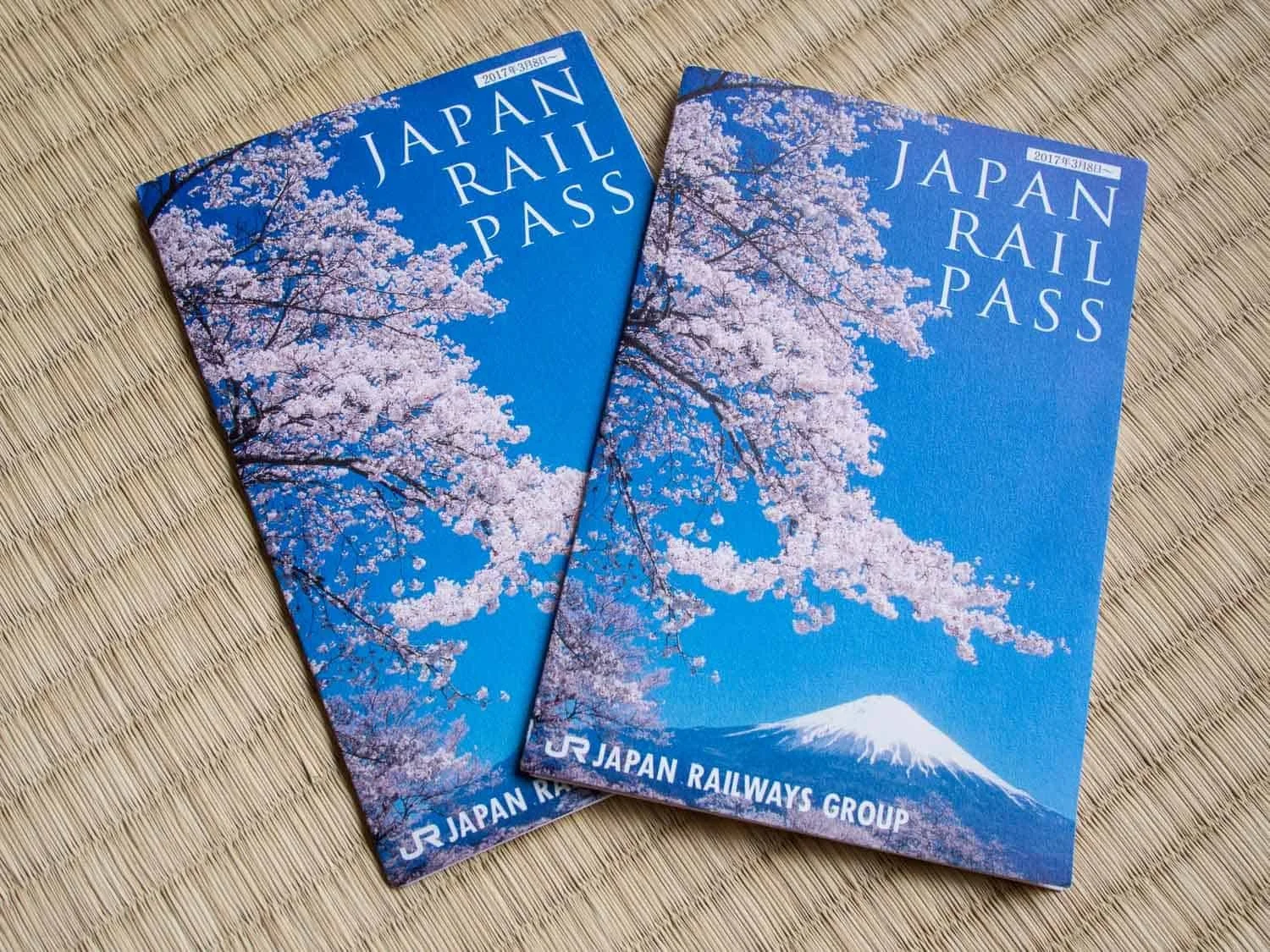
The most important document relating to travel in Japan!
You basically have two options:
Individual tickets - Best for short trips or times when you just need to go to one other place
JR Pass - Better for travel between multiple cities, like say on a 2 week holiday to Japan.
The Japan Rail Pass is usually the better deal as it will save you a lot of money.
Before I go on, The Japan Rail Company is divided into 6 sub-companies: JR East, JR West, JR Central, JR Hokkaido, JR Kyushu, JR Shikoku. Which all service a specific region of the Japanese mainland… This information is important later on when you’re deciding what JR Pass ticket you should get.
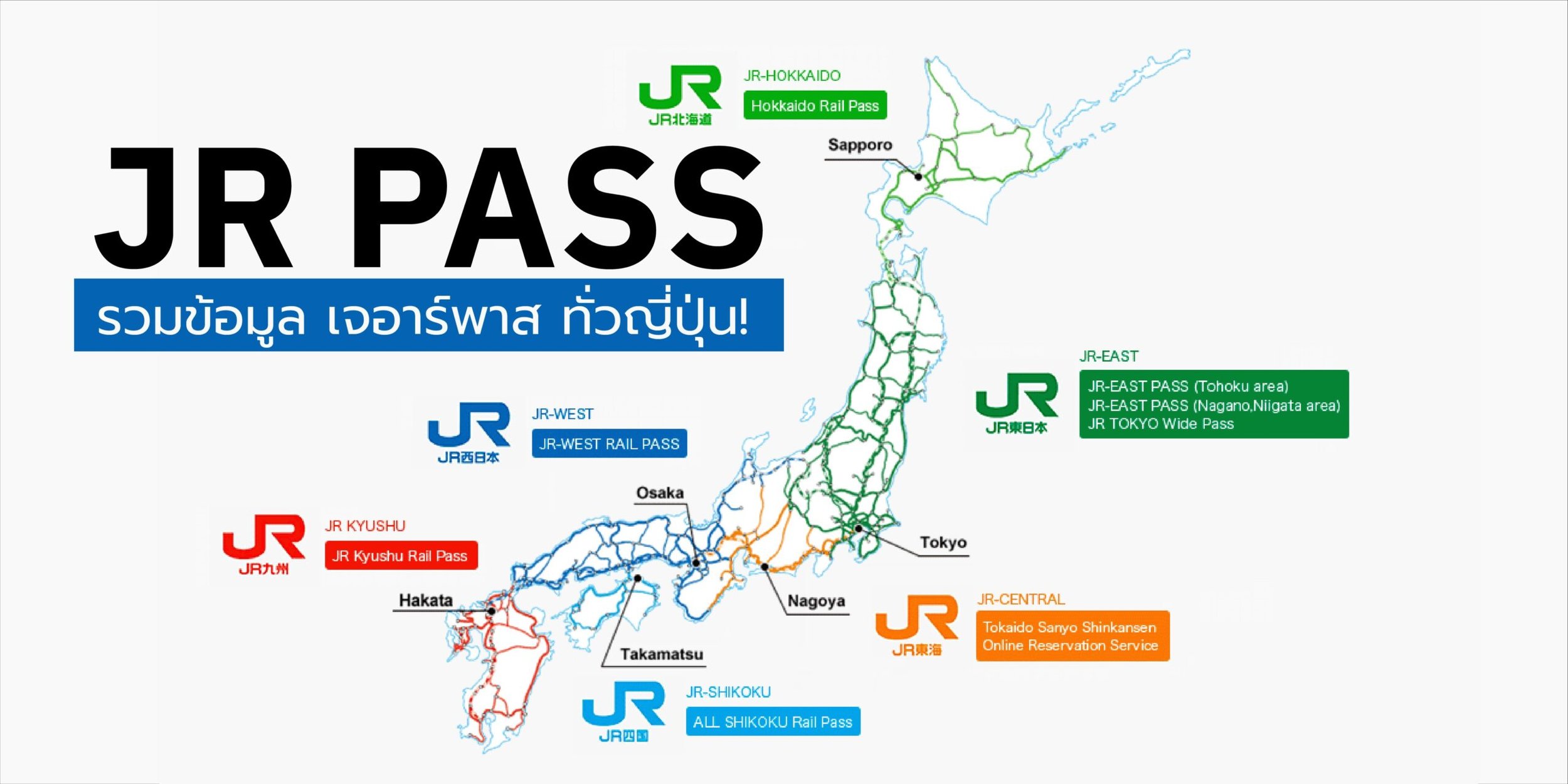
A map of the applicable JR Pass regions
Back the to topic at hand, so what is a JR Pass? The JR Pass gives you unlimited rides on almost ALL Japan Railways Group trains across the country, not just the Shinkansen Japanese Bullet Train, but also JR local trains, rapid trains, limited express trains, and most Shinkansen lines (except Nozomi and Mizuho trains).
There are different JR Pass options available according to the regions you may be traveling in:
JR Kyushu Pass - covering Fukuoka, the main international airport hub, and destinations like Oita, Kumamoto, Nagasaki, Saga, Miyazaki, and Kagoshima.
JR West Pass - covers the Kansai region. Destinations like Kyoto, Osaka, Hiroshima, Okayama, Kurashiki, Shirahama, Kinosaki.
JR East Pass - covers the Tohoku/Nagano/Niigata region. Including cities like Sendai, Nagano, Aomori, Yamagata, Joetsu, and Akita
JR Hokkaido Pass - covers the whole of Hokkaido island with destinations like Sapporo, Otaru, Hakodate, and so on…
A JR Pass for the Whole of Japan is also available. These passes come in 7, 14, and 21 day passes that are valid for that stated period of time.
On top of that, you also get airport transfers included, like the Narita Express (Narita Airport), the Tokyo Monorail (Haneda Airport), and the Haruka Limited Express (Kansai Airport). Even JR buses and ferries are included, which makes it way more valuable than just a train pass. Though I personally never use the buses and ferries, just never gotten the chance to….
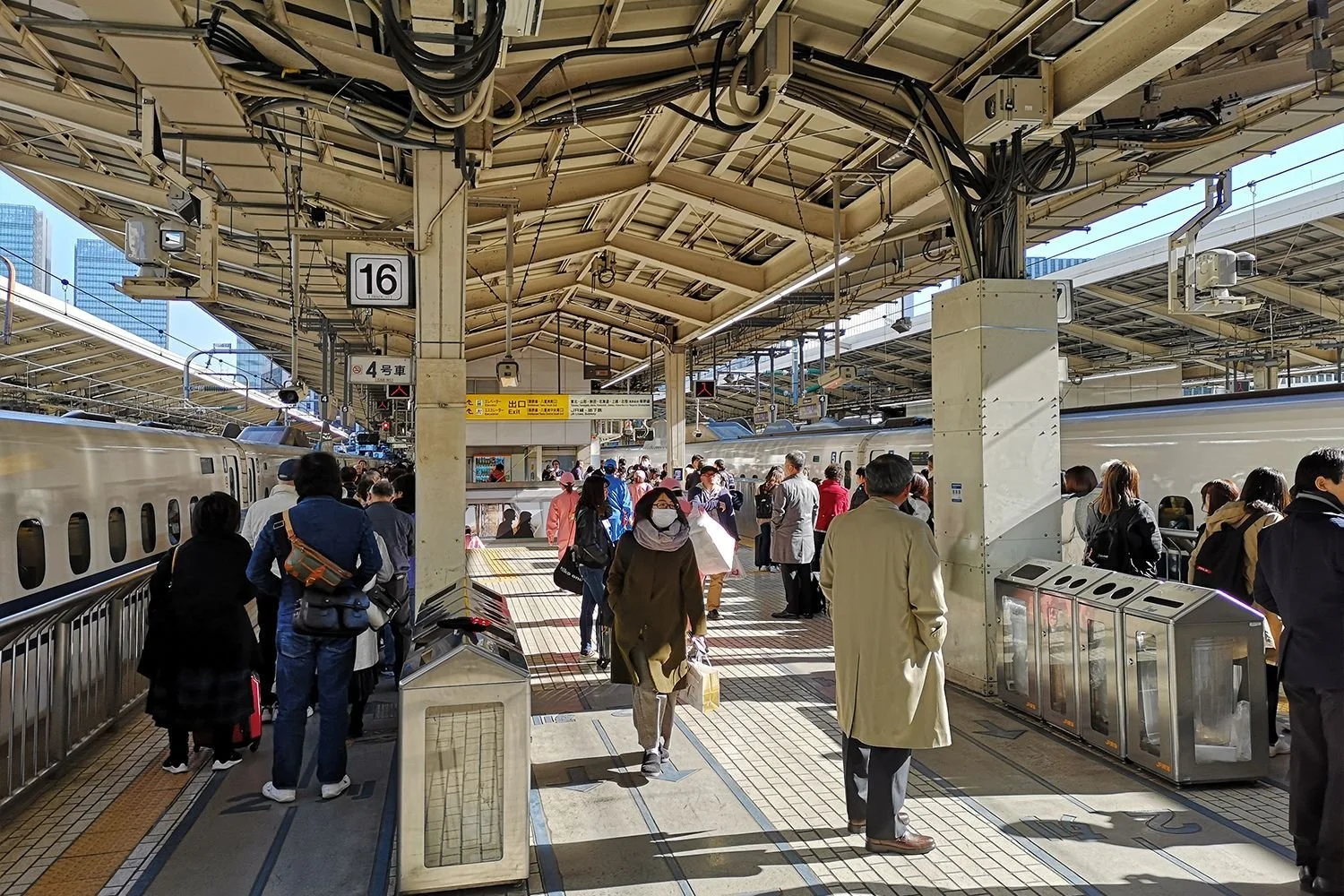
What a lovely day at a train station in Japan
Now let’s talk savings as that’s the MOST important part. A one-way Tokyo to Kyoto Shinkansen ticket alone can cost a significant amount, and if you add Kyoto to Osaka, then Osaka to Hiroshima, your total can quickly exceed the price of a 4-day JR Kansai Pass. If you’re doing multiple long-distance trips within a week, the JR Pass can easily pay for itself, plus you get the flexibility to hop on JR trains without constantly buying tickets.
You can Check JR Pass prices on Klook and buy it before arriving in Japan. Once you arrive in Japan, you can just pick up your pass at any JR station counter or at the airport, activate it, and you’re good to go. If you’re planning to explore Japan properly using the Shinkansen Japanese Bullet Train, having a JR pass is a no brainer.
Types of Shinkansen Japanese Bullet Trains
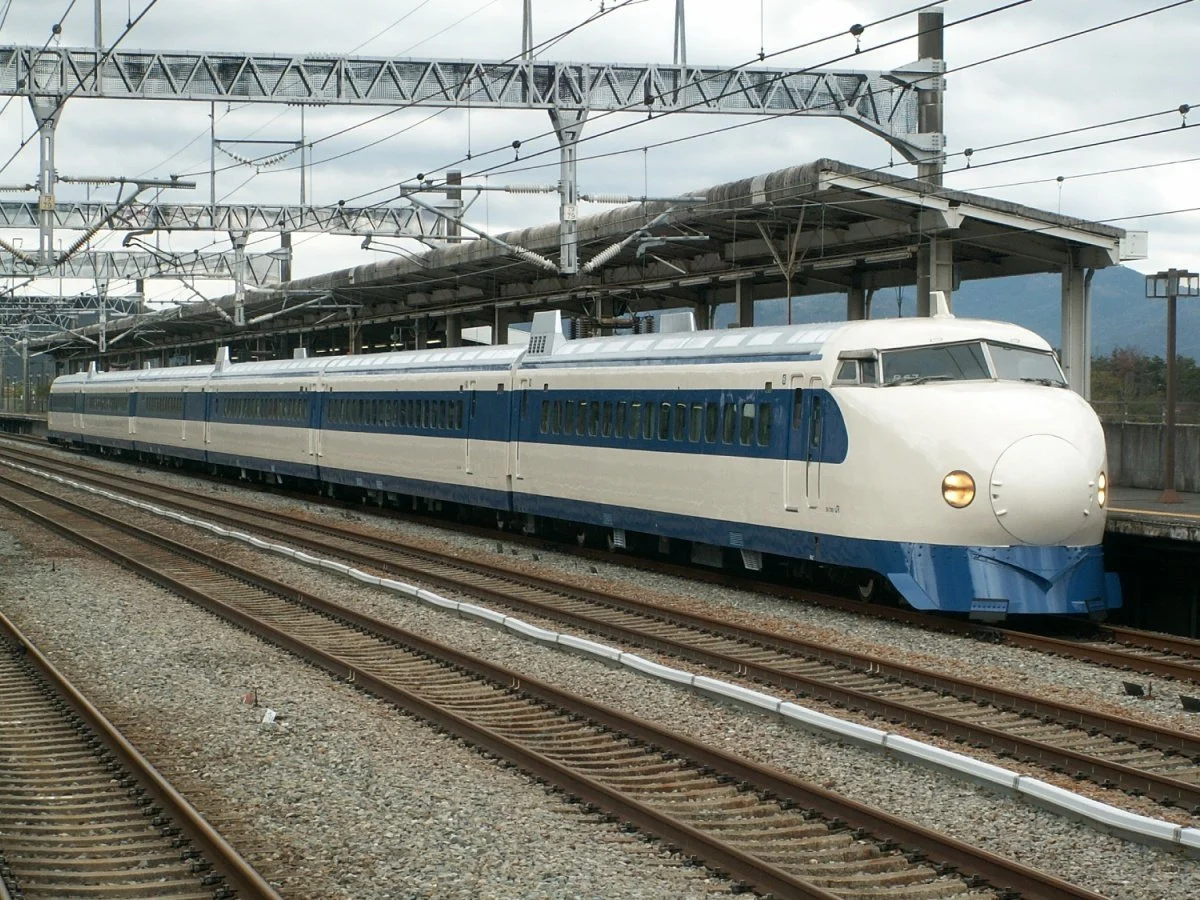
The Series 0, the first ever Shinkansen Japanese Bullet Train!
There isn’t just one single type of Japanese Bullet Train, in fact there are well over 2 dozen models since the Shinkansen’s inception and a good chunk of those are still I service throughout Japan’s vast railway network.
You don’t really need to know about them but it’s helpful to know that each Shinkansen Line (10 of them if you remember), all have 3 different operational trains:
Fast - Fastest trains that only stop at main stations
Semi-fast - fast trains that make more stops
Local - Slower trains that stop at all stations
The Most Important Shinkansen Trains to know for Tourists
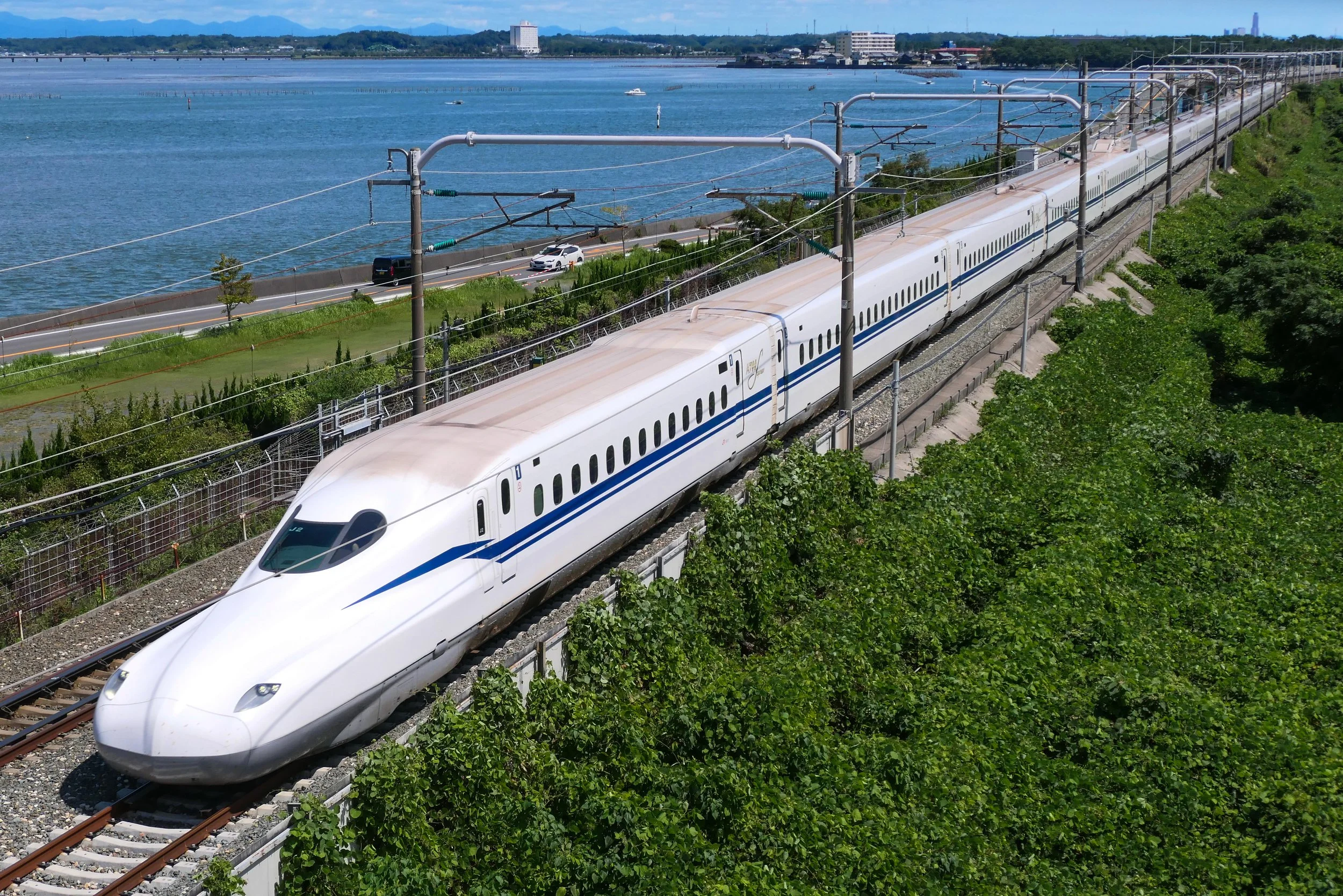
The Hikari Shinkansen train, one that you’ll probably be most familiar with
The three you’ll see most often, especially on the busiest Tokaido Route (Tokyo → Kyoto → Osaka) are Nozomi, Hikari, and Kodama.
Nozomi (Fastest)
This is the fastest Shinkansen option with the fewest stops, which means you’ll get from Tokyo to Kyoto or Osaka in the shortest time possible. It’s the most convenient if you’re short on time. The catch? The Nozomi Japanese Bullet Train is not covered by the JR Pass, so you’ll need to buy individual tickets for this one.
Hikari (Best balance + JR Pass-friendly)
The Hikari Shinkansen Japanese Bullet Train is slightly slower than Nozomi but still very fast, and it’s fully covered by the JR Pass. This is the one most travelers end up using. It makes a few more stops, but honestly, the time difference isn’t huge, so if you have a JR Pass, this is your go-to Japanese Bullet Train.
Kodama (Local train)
Kodama trains stop at every station along the route. They’re the slowest type of Shinkansen, but they’re also covered by the JR Pass and can be useful for shorter trips between smaller cities. Not ideal for long distances like Tokyo to Osaka unless you’re in no rush.
Other notable Shinkansen types
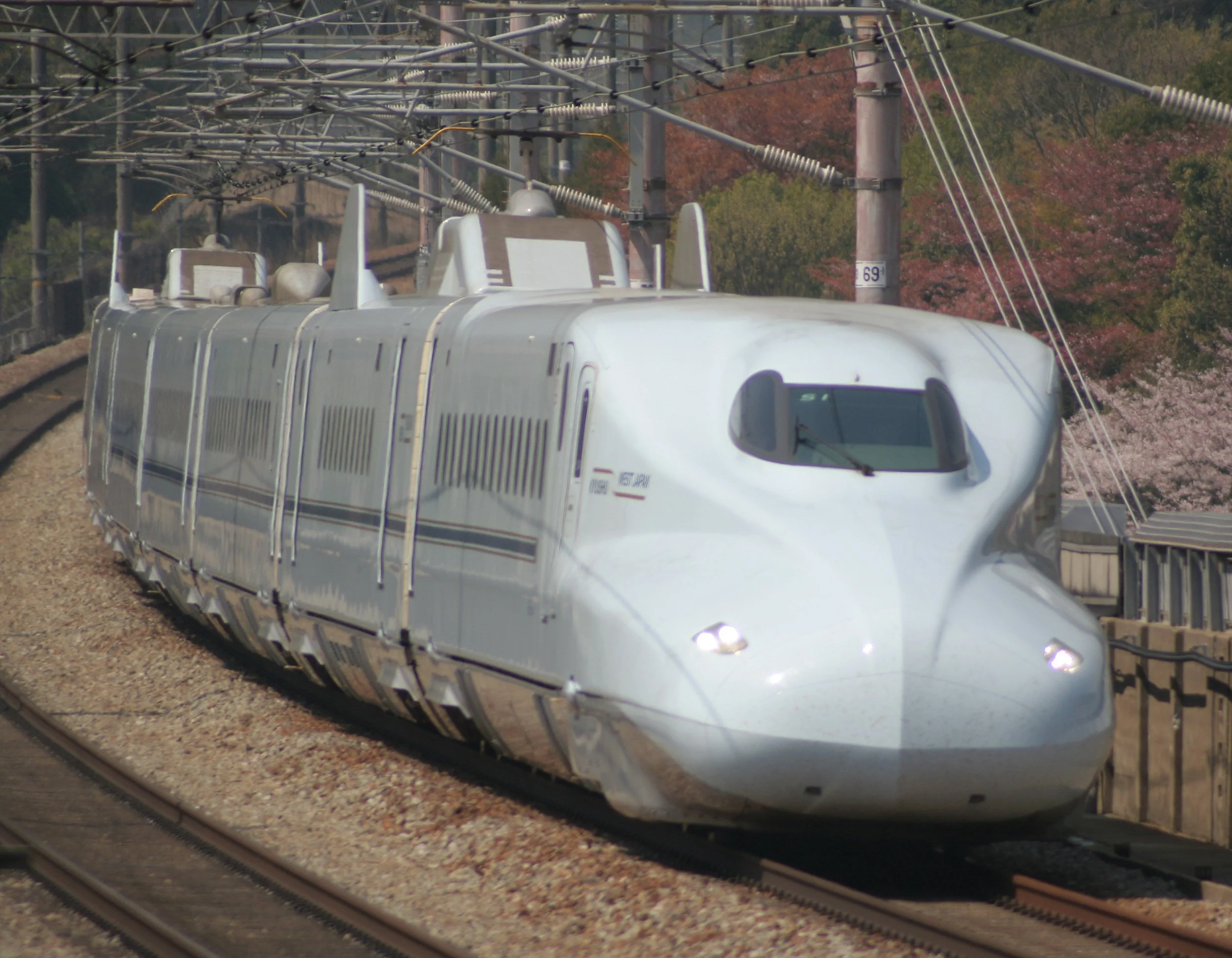
A Mizuho Shinkansen Train, an older model but still fast!
Depending on where you’re traveling, you might come across a few other types. The Mizuho (on the Sanyo and Kyushu Shinkansen) is similar to Nozomi, fast but not JR Pass-friendly.
The Sakura is a great alternative in Kyushu and western Japan, offering a balance of speed and comfort, and it is covered by the JR Pass. Up north, trains like Hayabusa (Tohoku Shinkansen) are among the fastest in the region and are fully covered, though they often require seat reservations.
At the end of the day, the JR Pass includes unlimited travel on any Shinkansen that is not the Nozomi or Mizuho train. Which is totally fine as the most popular trains (for tourist and locals) you’ll mostly be riding are the Hikari, Sakura, or other JR Pass-compatible trains anyways.
Tips for Riding the Shinkansen Japanese Bullet Train
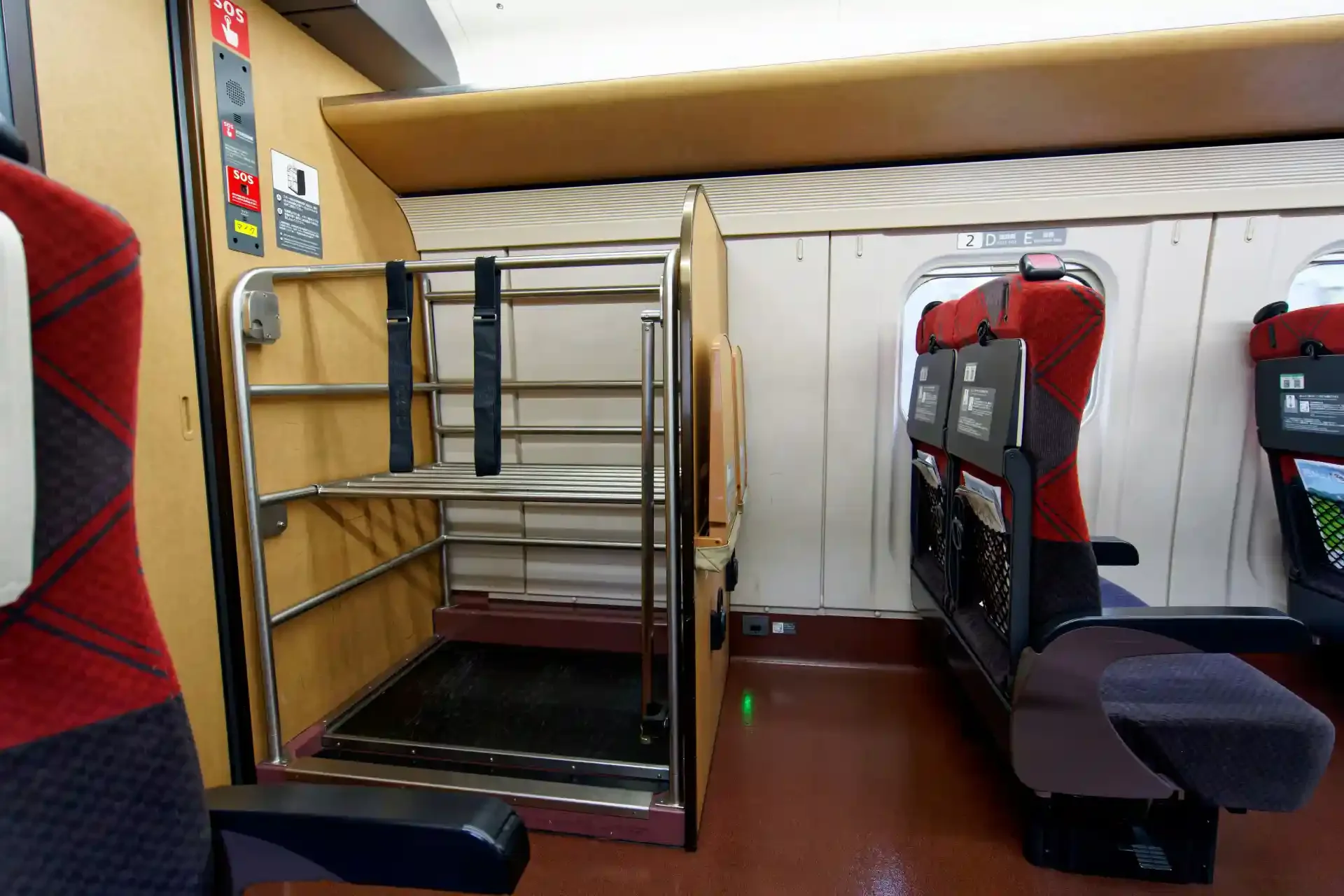
Large luggage storage in every train car, overhead storage is also available for small bags
Much like the entirety of Japan, there are some unspoken etiquette to riding on a Japanese Bullet Train, so here are some tips and reminders to help you ride the Shinkansen like a true local, and not stand out like a dumb tourist!
Arrive Early at the Station - Shinkansen stations can be big and busy, so give yourself at least 20-30 minutes to find your platform and grab food before boarding your Japanese Bullet Train.
Reserve Seats During Peak Times - If you’re traveling during holidays or weekends, reserve your Shinkansen seats in advance to avoid standing or missing your preferred train.
Know Your Train Type (Nozomi, Hikari, Kodama) - Double-check which Shinkansen you’re boarding, especially if you’re using a JR Pass, since not all Japanese Bullet Train types are included.
Line Up Properly on the Platform - Platforms are clearly marked with car numbers, so queue in the right spot, also stand in a straight line to avoid being a burden to people passing by.
Luggage Storage - In the front of every train car is an area to store luggage, so be sure to line up first so you can get that space.
Be Quiet and Respectful - The Japanese Bullet Train is calm and quiet, keep conversations low and avoid phone calls to respect other passengers.
Don’t Miss Your Stop - Shinkansen trains are fast and punctual, so pay attention to announcements and screens so you don’t accidentally pass your station.
Check the Mount Fuji Side - If you’re taking the Tokaido Line (Tokyo → Kyoto), reserve a seat on the right side for a chance to see Mount Fuji on a clear day.
Get Yourself an Ekiben - Station Bentos, food that is designed to be eaten on the Shinkansen, it’s a big sub-culture of Japanese Bullet Trains and I'll explain more about it in the below section…
Food on the Shinkansen (Ekiben)
Feastography is a primarily FOOD and travel blog so of course one of my favorite parts of riding the Shinkansen Japanese Bullet Train isn’t just the speed,it’s the food.
Enter EKIBEN, which literally means “station bento”. These boxed meals date back to the late 1800s, when train travel started booming in Japan and stations began selling convenient meals for passengers. Today, ekiben have become a full-on Japanese food sub-culture. I have a whole YouTube video on Ekiben so if you have some time, I’d appreciate it if you checked it out and also subscribe to my YouTube channel :)
Ekiben is so huge in fact that each region of Japan showcases its own food specialties within these train station lunch boxes, similar to how airlines serve meals based on your destination country. For example you can find ekibens with melt in your mouth Kobe wagyu beef in well… Kobe, or juicy and chunky pieces of king crab legs in a ekiben from Hokkaido.
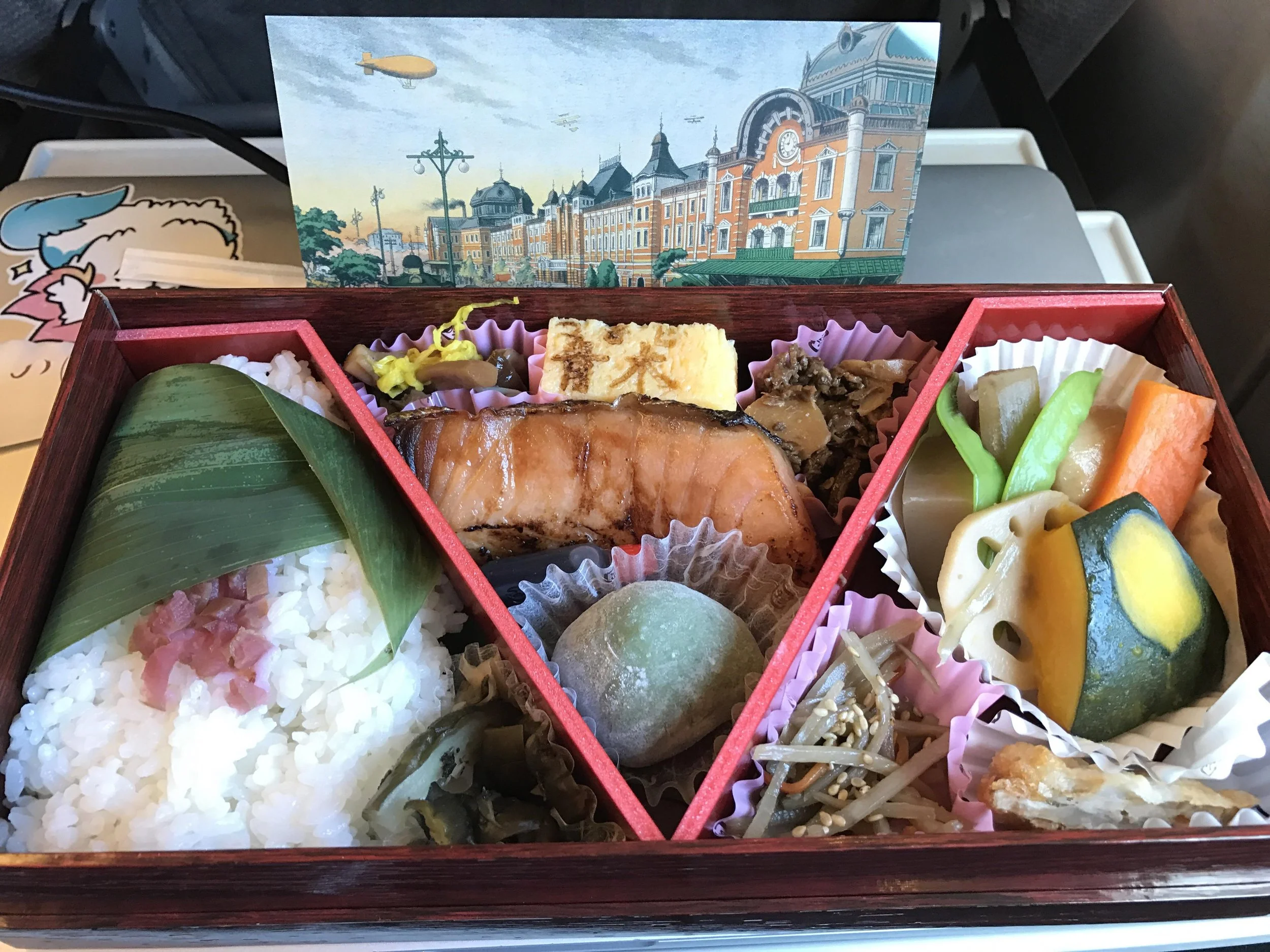
A nice spread of dishes in this luxurious looking ekiben!
What makes ekiben more special is the sheer variety of dishes you can get in one box. Some are simple and classic bentos, rice with stir fried beef for example, others are beautifully arranged with multiple small dishes, almost like a mini Kaiseki (traditional Japanese meal consisting of small dishes) experience on a train.
Now you might think that Ekibens are always cold… NO! well most of the time yes, but there exists special ekibens with self heating elements that heat up your food so the it’s warm and ready to eat. It’s not comparable to freshly served food but it’s better than eating cold hard rice. But another thing to note is that Ekibens are also design to be eaten cold or room temperature, so that’s pretty neat.
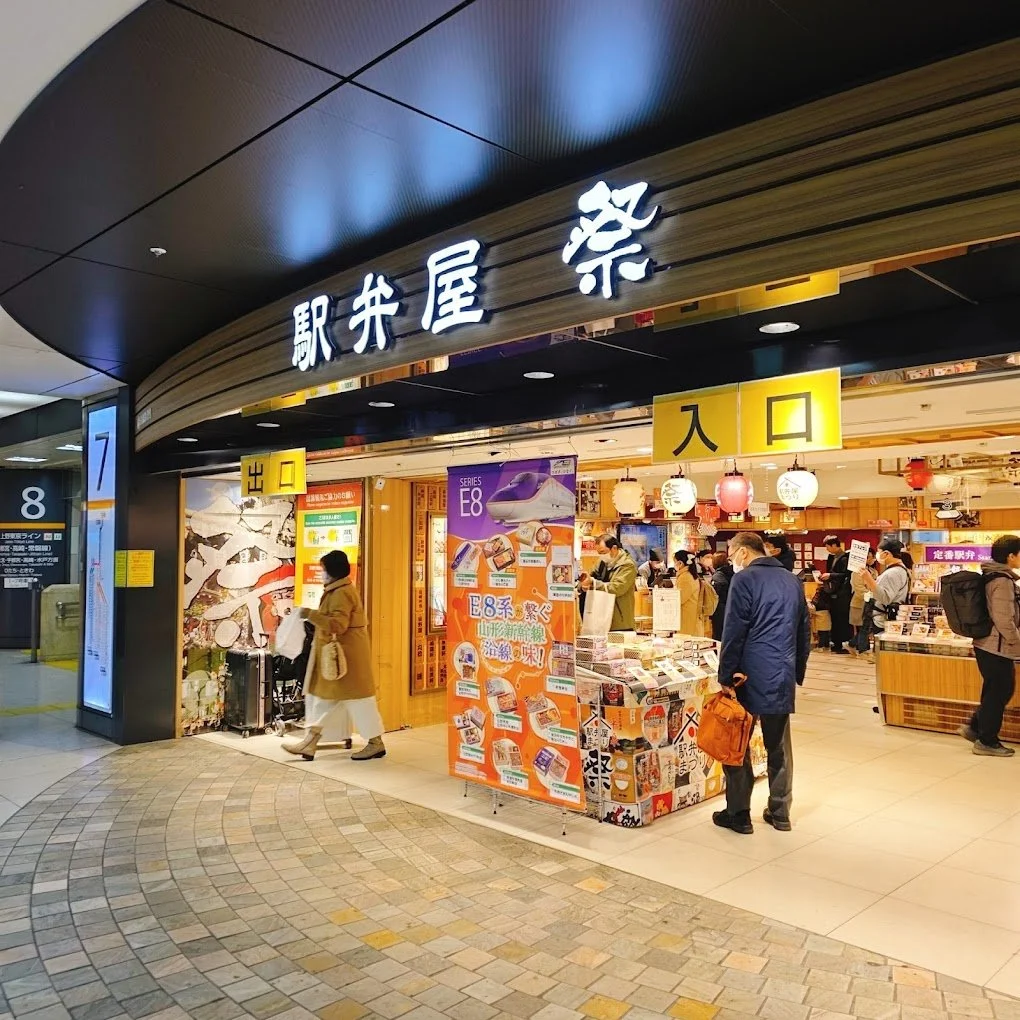
Ekibenya Matsuri, a very popular ekiben store in the Tokyo train station!
You can easily find large shops dedicated to selling ekibens at major train stations across Japan, especially at Shinkansen stations in cities like Tokyo, Kyoto, and Osaka, and Sapporo. Look for large gift shops or food halls inside the station before you board your Japanese Bullet Train. Even smaller local train stations may have ekibens on sale but with less variety.
My advice is just to pick something that looks interesting, even if you have no idea what it is. It’s all part of the fun, and even if you don’t enjoy the food, it’s still a worthwhile activity to do, because what else are you going to do on the train?
Shinkansen and Ekiben go together like American Football and Buffalo Wings, you’d be missing out on half of the fun of riding a Japanese Bullet Train if you skip on an Bkiben.
Is the Shinkansen Japanese Bullet Train Worth it?
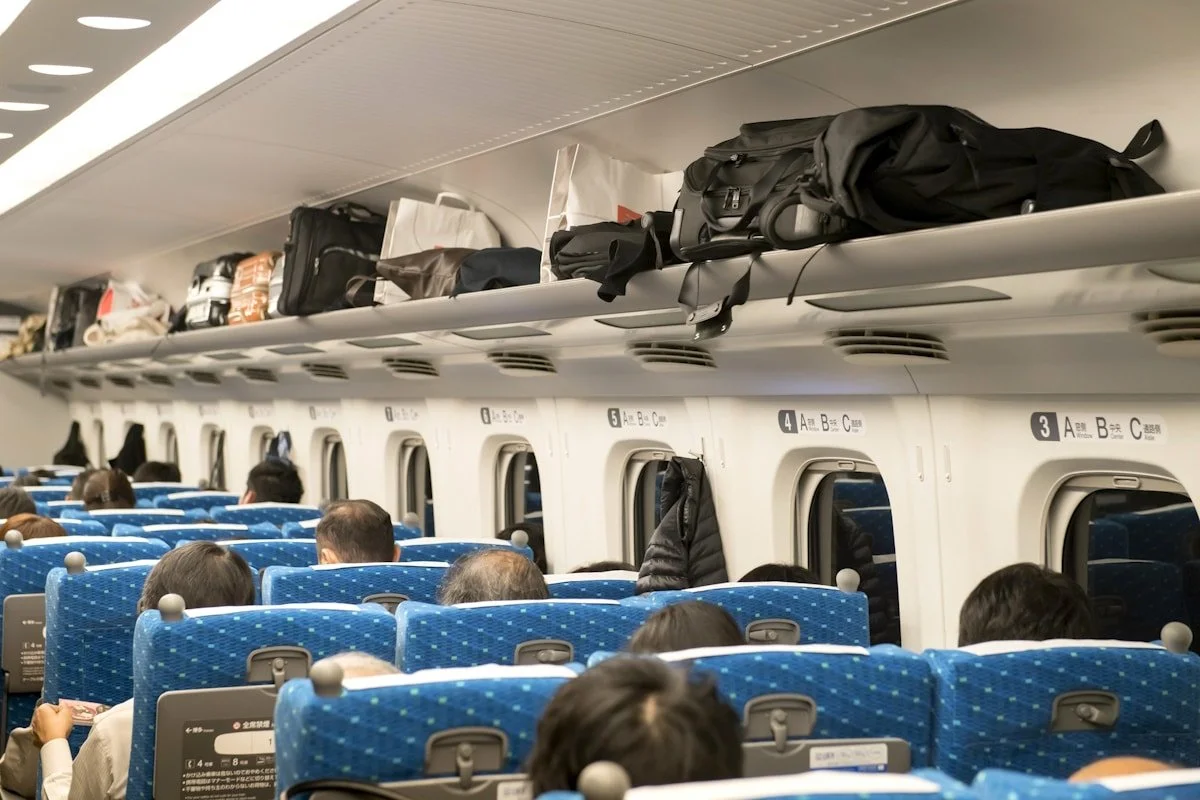
There are no safety lids on the overhead storage because there is no turbulence on a Shinkansen!
All in all, I think the answer is pretty clear… Maybe.
The short answer is that riding a Shinkansen Japanese Bullet Train is worth it for most of you travelers. The biggest pros are speed, convenience, and overall experience. You can go from Tokyo to Kyoto or Osaka in just a few hours, with trains that are clean, comfortable, and always on time. There’s no long security process, no strict baggage stress, and stations are usually right in the city center.
The main downside is definitely the cost, especially if you don’t get a JR Pass. Individual Shinkansen tickets aren’t cheap, if you’re doing one trip sure, but if you’re doing multiple long-distance trips then better to get a JR Pass.
The Shinkansen Japanese Bullet Train isn’t just a mode of transportation it’s an experience, an activity, an attraction if you will. Like Thailand and temples, or Taiwan and night markets. Japan and Shinkansen is comparable to those travel experiences.
Looking for Things to Do in Japan?
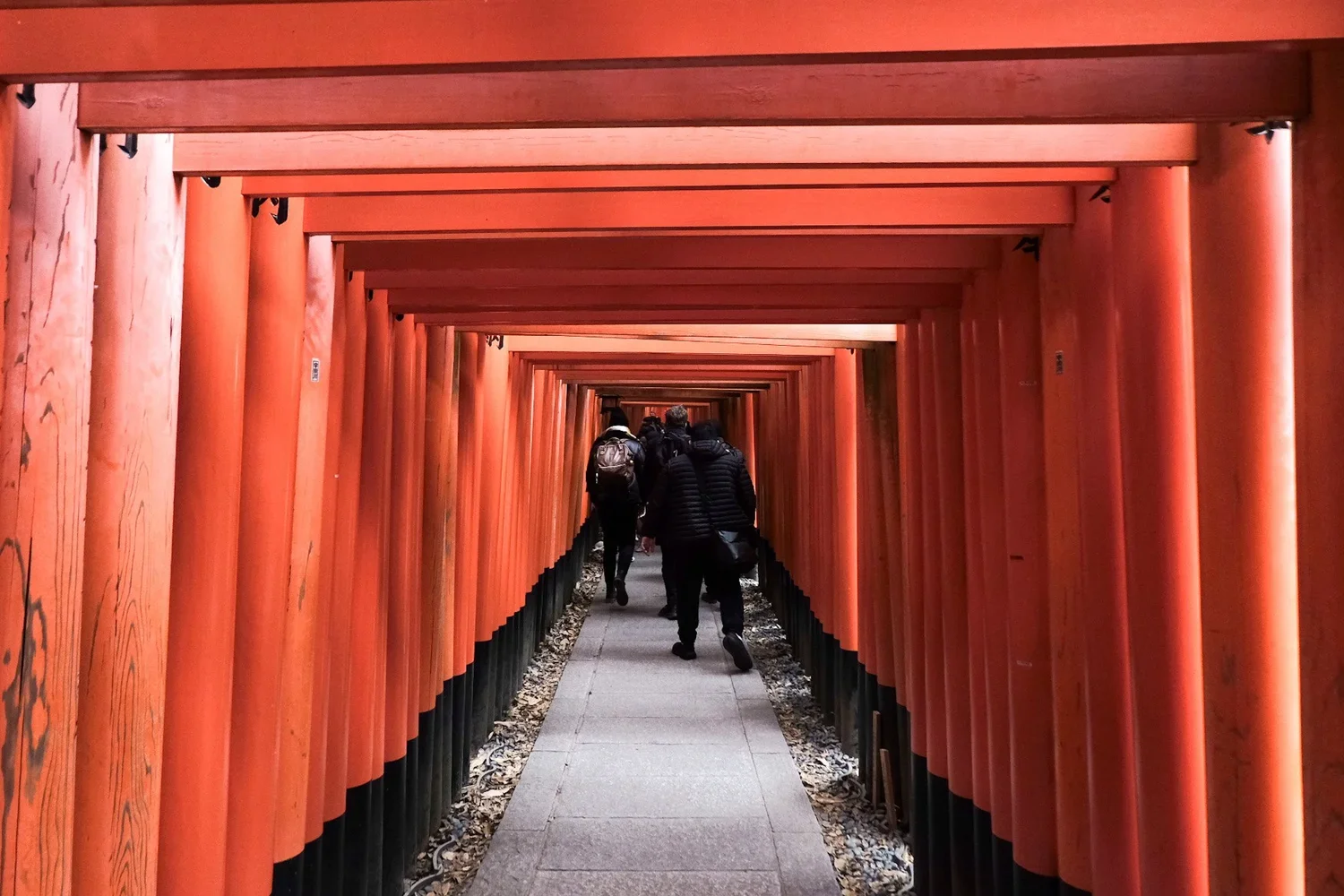
Walking through the Torii gates at Kyoto’s Fushimi Inari Shrine
Tokyo: Shinjuku Food Tour - Sample all of the deliciousness that Tokyo has to offer
Mt. Fuji & Hakone Tour - Go on a day trip to Mount Fuji and the town of Hakone
Tokyo City Tour - Explore Tokyo with a government licensed guide in this 6 hour private tour
Discounted Tickets - Browse a variety of attractions, tours, and transports all for a great price
Useful Resources for Traveling in Japan
Tourism Information - All the information you need when traveling in Japan
Pocket Wi-Fi - Important for staying connected on the go
JR Rail Pass (Whole of Japan) - Easy , cheap, and unlimited access to JR transports
Check out my Other Japan Blog Posts!
Best 5 Day Osaka Itinerary Including Visits to Kyoto and Nara City!
Tokyo Street Food Guide: 15 Must Eat Dishes + Where to Find Them!
Top Osaka Food Tours Worth Booking to Eat the Best Japanese Street Food!
Amazing 3 Day Kyoto Itinerary, Things to Do in Japan’s Ancient Capital!
Ultimate Yufuin Travel Guide: Exploring the Onsen Paradise of Kyushu
Foodie’s Guide to Dotonbori, What to Eat in Osaka’s Iconic Street Food District
CHECK OUT OUR OTHER ARTICLES!