Ultimate Guide to Visiting the Terracotta Army in Xi’An, China!
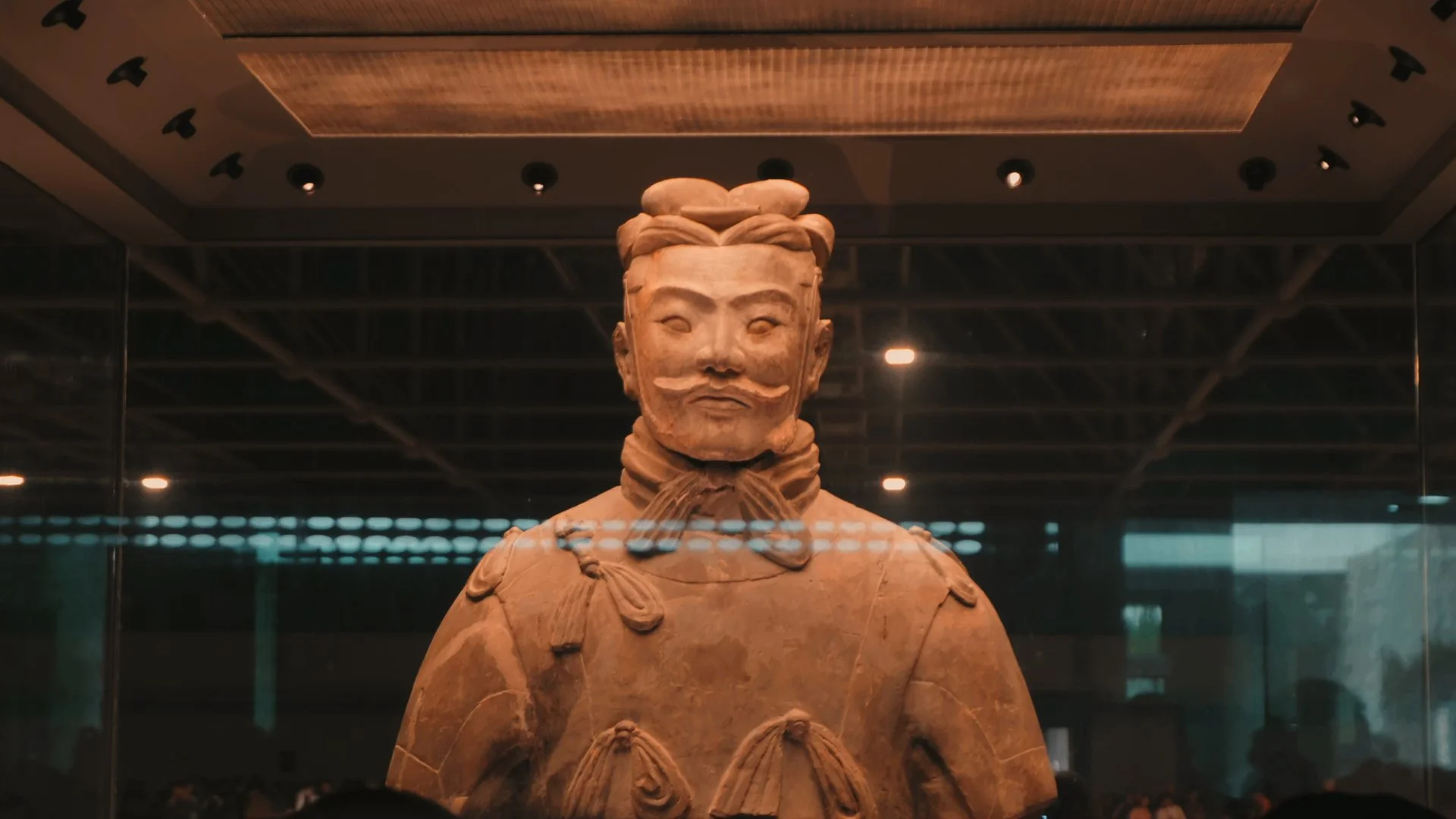
The amount of aura this terracotta warrior is emitting is insane
Now this is something that I am so excited to share with you because seeing the Terracotta Army in person is one of my travel bucket list items ever since I’ve learnt about it back in school. Located in the ancient capital city, Xi’An, China. This man made marvel is one of the greatest archeological discoveries in history!
I went on a weeklong holiday to Xi’An, China and visiting the remnants of the Terracotta Army was THE absolute highlight of my trip, aside from the Street Food at the Muslim Quarter of course (I love food). But anyways, if you are planning to visit the Terracotta Army and see the glory yourself then I’ll help you with all the information you need in this Ultimate Guide to Visiting the Terracotta Army in Xi’An, China!
🇨🇳 Planning Your Trip to Xi'An, China?
Check out these quick resources recommended by us to get your trip started!
⭐ My Recommended Activies and Tours in Xi'An, China
Affiliate Disclaimer: This page contains affiliate links. By clicking on the links and purchasing the product, I will receive a partial commission at no cost to you. All of these products are ones that I fully trust and recommend with my heart. Thank you for your support!
My YouTube Video on the Terracotta Army
If you would like a more visual and fun vlog style guide then you can check out my YouTube video above. It was my first time traveling to Xi’An, China and in the video I explored the Terracotta Army as well as visit the Xi’An Muslim Quarter eating some delicious street food.
It’s a very fun experience and I would really appreciate it if you check out my YouTube videos and subscribe to my channel if you enjoy the content I produce :)
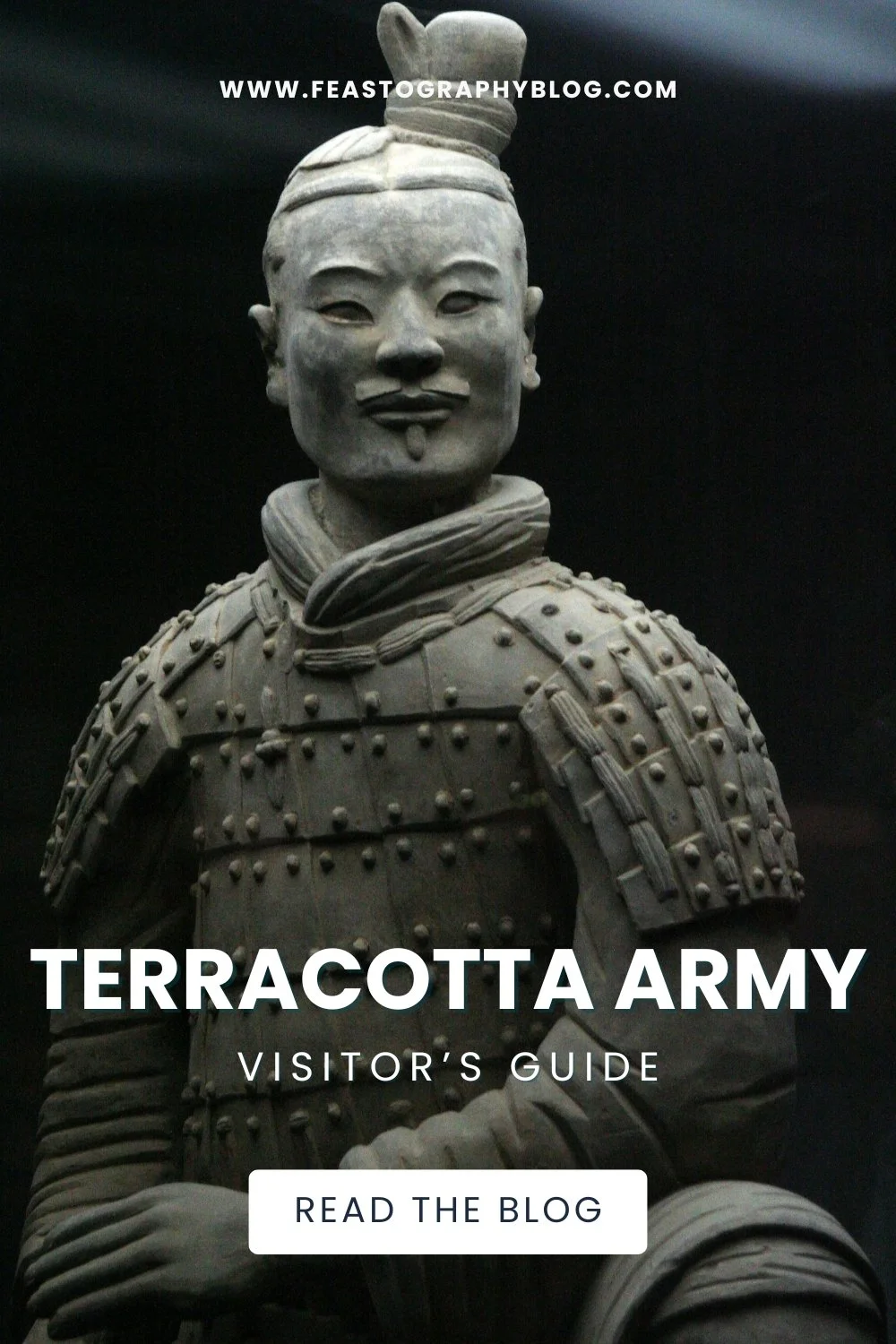
Also, this is quite a lengthy and informative article so be sure to save this blog post, bookmark it.
Or better yet save it as a Pinterest pin by clicking on the top left of the image above so that you can reference it again!
What Exactly is the Terracotta Army?
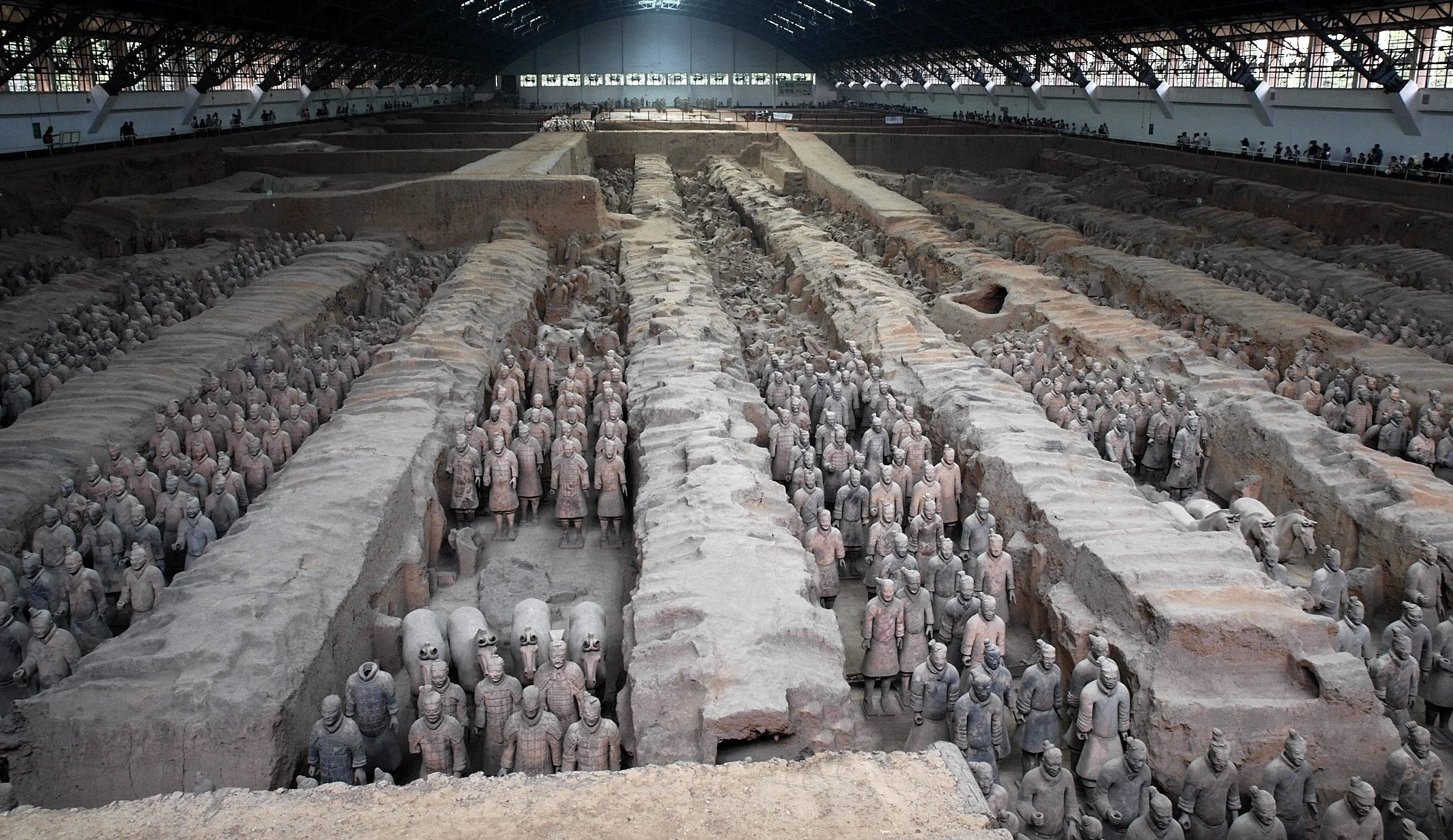
There are roughly 2,000 Terracotta warriors in this image, all lined up in formation
Firstly, I want to clear up any misunderstandings, Visiting the Terracotta Army is only a small part of a much larger complex called the Qin Shi Huang’s Mausoleum, which is the tomb of the first emperor who unified China during the Qin Dynasty!
The mausoleum, along with the Terracotta Army was created over 2,000 years ago! But why…?
Emperor Qin Shi Huang was obsessed with the afterlife, so he ordered a massive underground army to protect him after death. Not only that, but the ENTIRE mausoleum was constructed in such a way that it represented the layout of the Qin capital city at the time.
A morbid fact, supposedly after the completion of this mausoleum, the emperor had everyone working on it to be executed so as the secrets of the tomb may forever remain hidden. Thousands of laborers, architects, and sculptures all gone…
Now you might be wondering, so where is the actual tomb of emperor Qin Shi Huang? We don’t know… Or at least we think we know.
The emperor’s main tomb still lay buried beneath a giant burial mound nearby, although archaeologists dared not to open it due to ancient historical records describing booby traps and rivers of poisonous mercury flowing inside inside the tomb. The potential dangers are just not worth it.
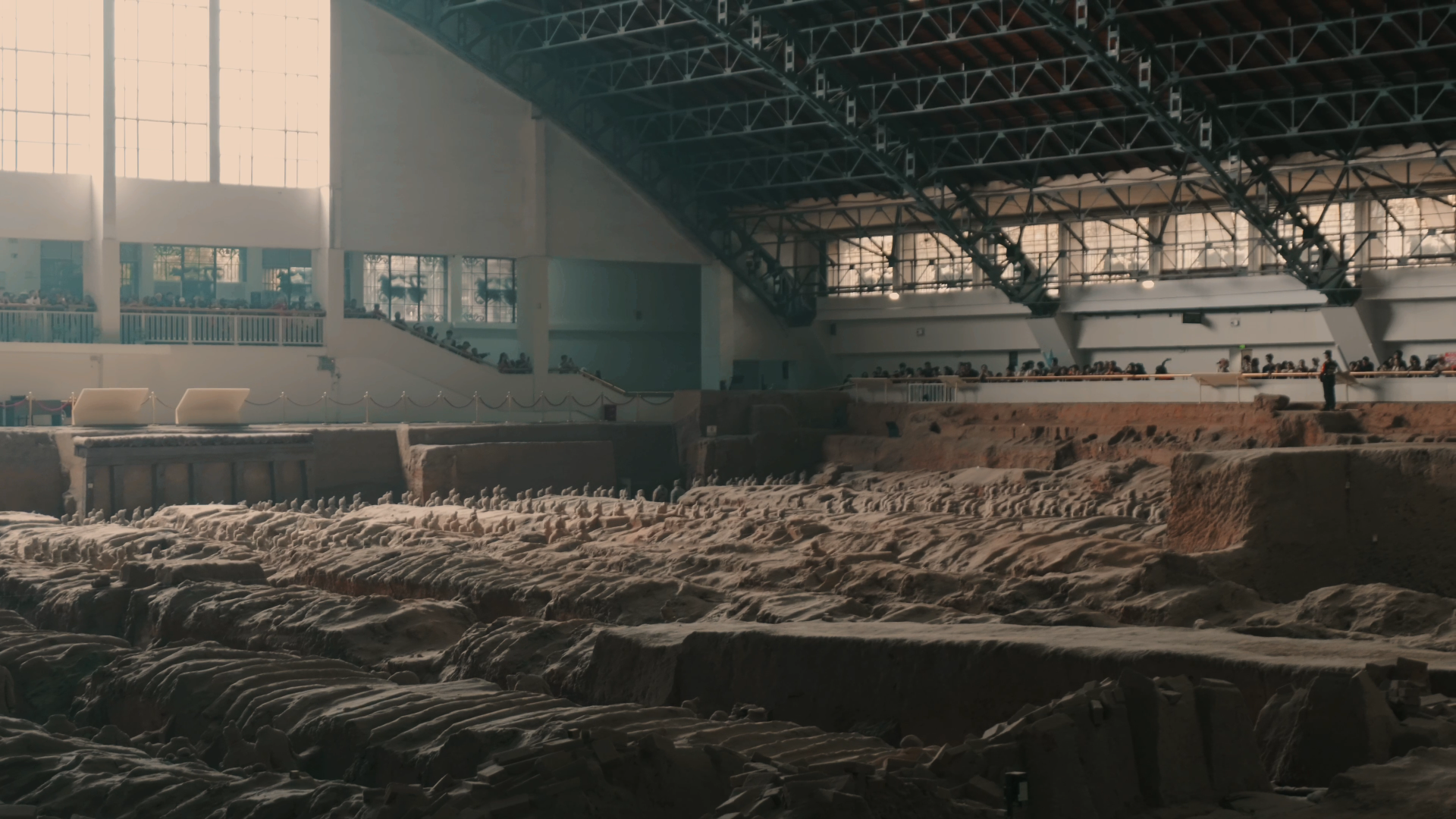
My camera doesn’t do this scene justice, the scale of this site is massive
Any who… I guess you’re only interested in the Terracotta Army, and rightfully so, because the rest of the Mausoleum is either still un-excavated or off limits to the public (due to on-going research and excavation).
The Terracotta Army itself was only discovered relatively recently in 1974. The story goes, that a local farmer was digging a well near Xi’an and he accidentally uncovered fragments of clay figures underground. Since then, archaeologists have uncovered thousands of terracotta soldiers, horses, and chariots spread across several excavation pits, 3 main ones. It’s estimated that there are over 8,000 warriors in total, along with hundreds of horses and military vehicles.
Each of these warriors all have unique faces, heights, poses, armors, and armaments. Each Terracotta Warrior carries a rank including generals, archers, infantry soldiers, and cavalry troops, each designed with unique uniforms and details depending on their role in the ancient Qin army.
How to Get to the Terracotta Army in Xi'an, China?
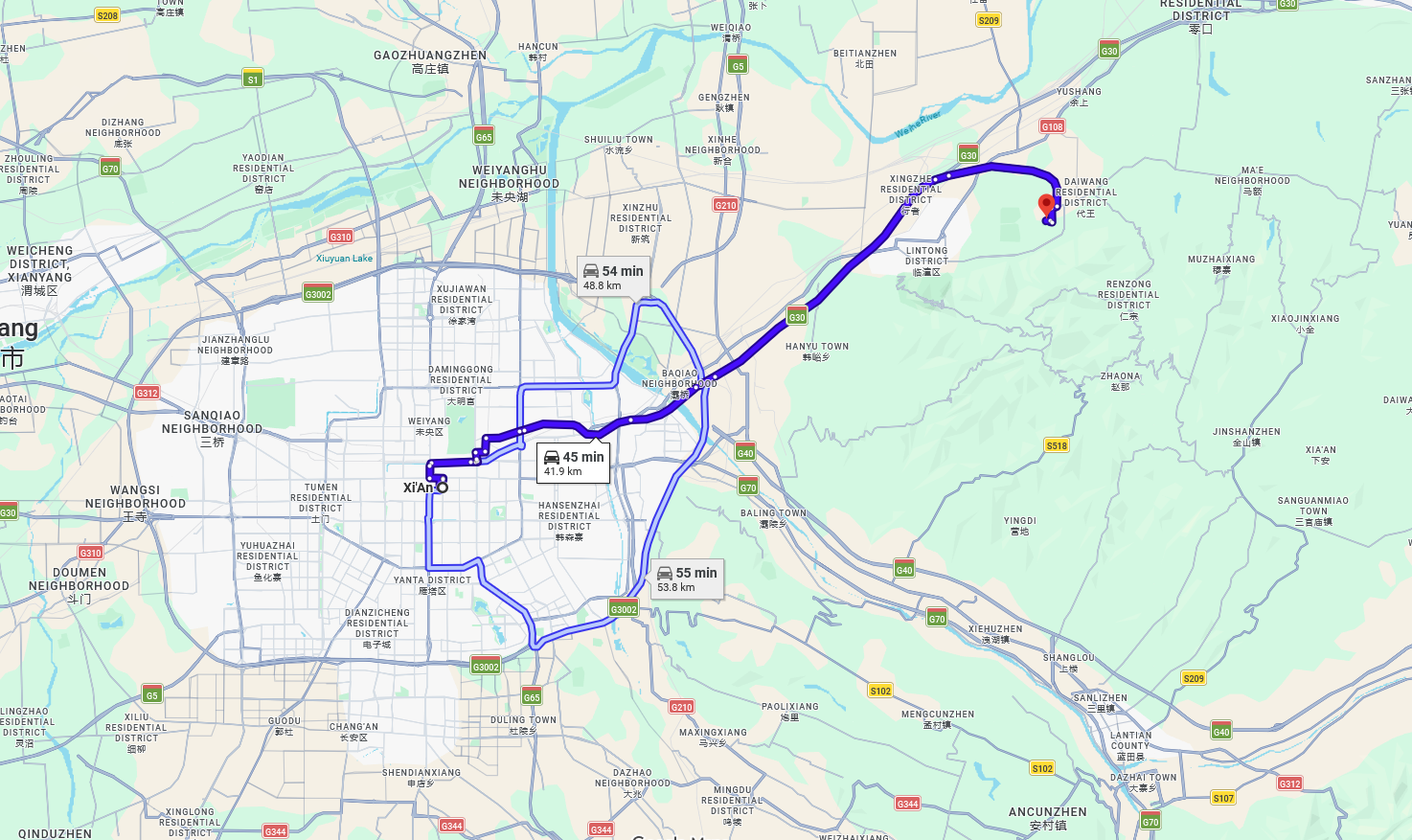
Around a 45 minute car ride from Xi’An assuming traffic is clear
The famous Terracotta Army is located about 40 kilometers east of the Xi’an city center. A one way trip usually takes around 1.5 hours depending on traffic and which transportation option you choose. So it’s an easy half-day trip to accomplish.
Getting to the Terracotta Army is pretty straight forward, and there are several budget-friendly ways to reach one of China’s most incredible historical sites.
Getting to the Terracotta Army via Metro + Tourist Bus
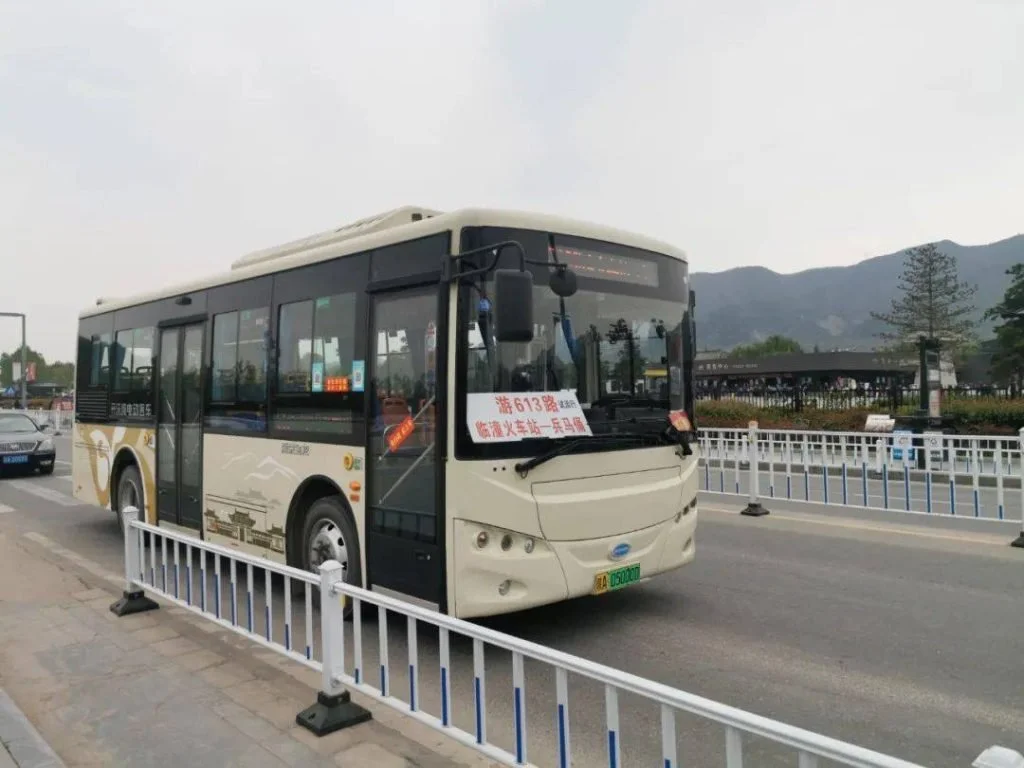
These are the tourist buses that will take you straight to the Terracotta Army
The cheapest way to visit the Terracotta Army is by taking the Xi’an Metro and then transferring to a local bus. Take Metro Line 9 to Huaqingchi Station, then hop onto Bus 613 or the official Tourist Bus heading towards the Terracotta Army Museum. The total trip usually takes around 1.5 hours and costs roughly 15 to 30 RMB in total, making this a great option for if you’re on a budget.
Getting to the Terracotta Army via Taxi or Ride Hailing

China’s preferred ride hailing service, DiDi
If you want the fastest and most convenient option, taking a taxi or using ride-hailing apps like DiDi works really well. The drive from Xi’an city center to the Terracotta Army usually takes 1 hour depending on traffic conditions. It is an expensive option though… Expect to pay roughly 120 - 200 RMB one way, but it can be worth it if you are traveling with friends or want a more comfortable experience.
On that note, if you find yourself traveling around often in Xi’an or China, then installing the DiDi app and getting familiar with it is a smart choice: Google Play Link or App Store Link.
Getting to the Terracotta Army via Private Guided Tour
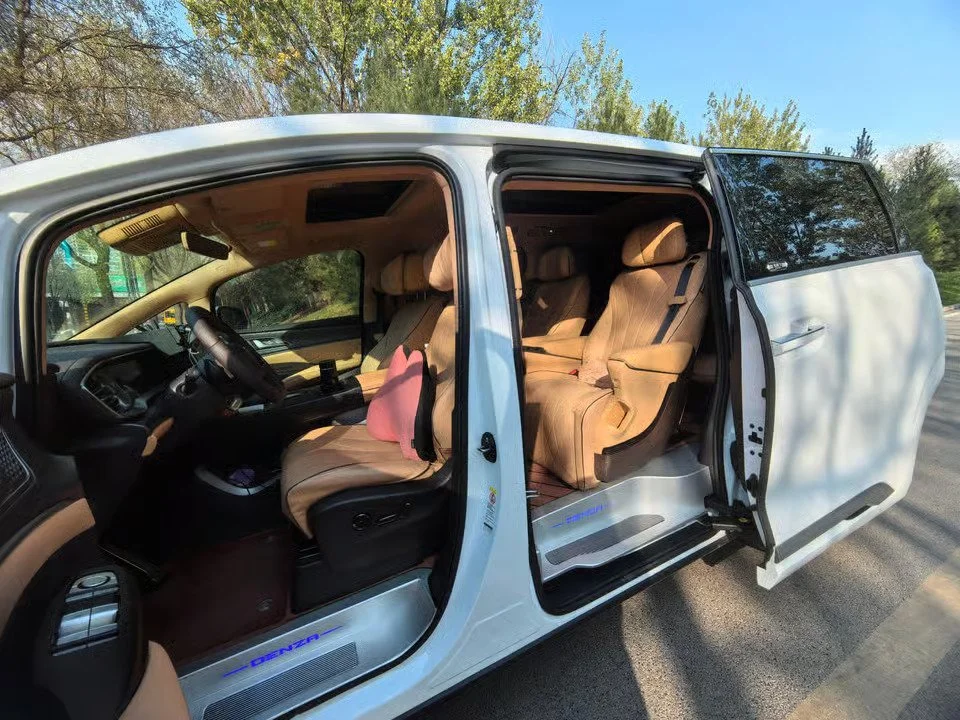
You get your very own private van if you join the guided Terracotta Army Tour
By far the easiest and convenient way to visit the Terracotta Army is to join a private tour which I did. I honestly recommend booking this Guided Terracotta Army tour from Xi’an. One of the biggest benefits is that it includes hotel pickup and drop-off from central Xi’an, so you do not need to worry about navigating the metro, buses, or finding a taxi back to the city afterward.
The tour also includes Terracotta Army entrance tickets, which saves time and makes the experience much smoother overall. Another nice bonus is that this tour avoids the typical forced shopping stops that some China tours are known for, so the focus stays on the actual Terracotta Army experience.
If you are short on time in Xi’an or simply want a stress-free day trip, I think joining this Guided Terracotta Army Touris one of the best ways to visit one of China’s most famous historical attractions.
Check the Guided Terracotta Army Tour Availability Below:
Terracotta Army Ticket Information
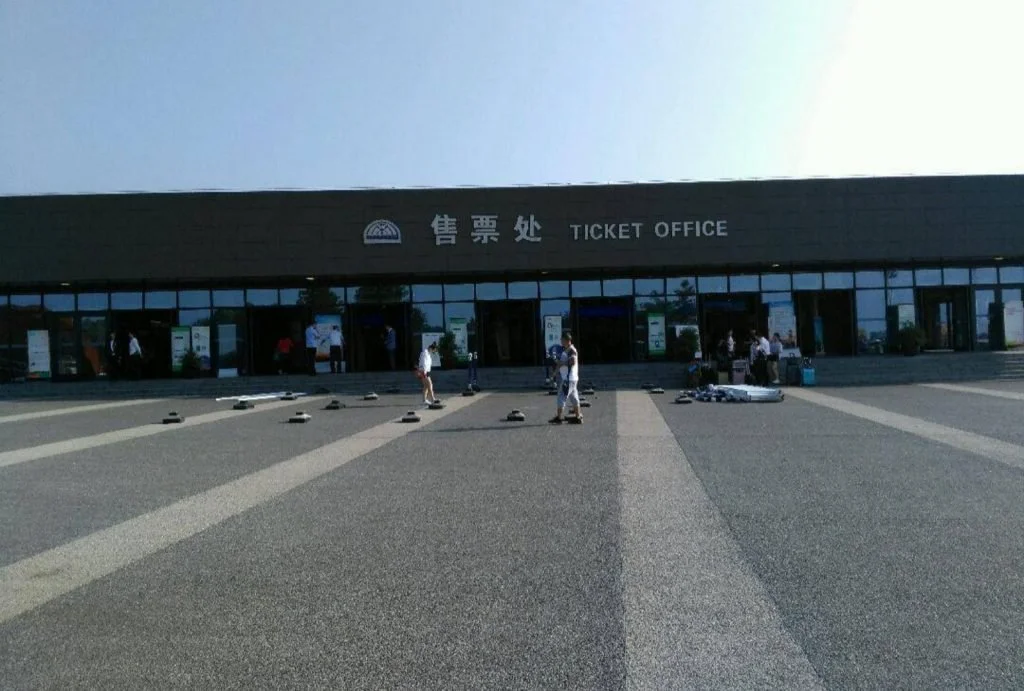
The ticket office at the site of the Terracotta Army
Visiting the Terracotta Army is actually pretty affordable considering it is one of the most famous archaeological sites in the world.
Standard Terracotta Army ticket prices are usually around 120 RMB (~$17 USD) and these tickets includes access to the main excavation pits (Pit 1, 2, and 3), the museum exhibition halls, and the mausoleum area with the supposed burial mound of Emperor Qin Shi Huang (Lishan Garden).
Just a note to clear up any confusions, the “Museum” is a separate entity to the excavation pits that the actual Terracotta Army is located at.
Terracotta Army Museum Opening Hours
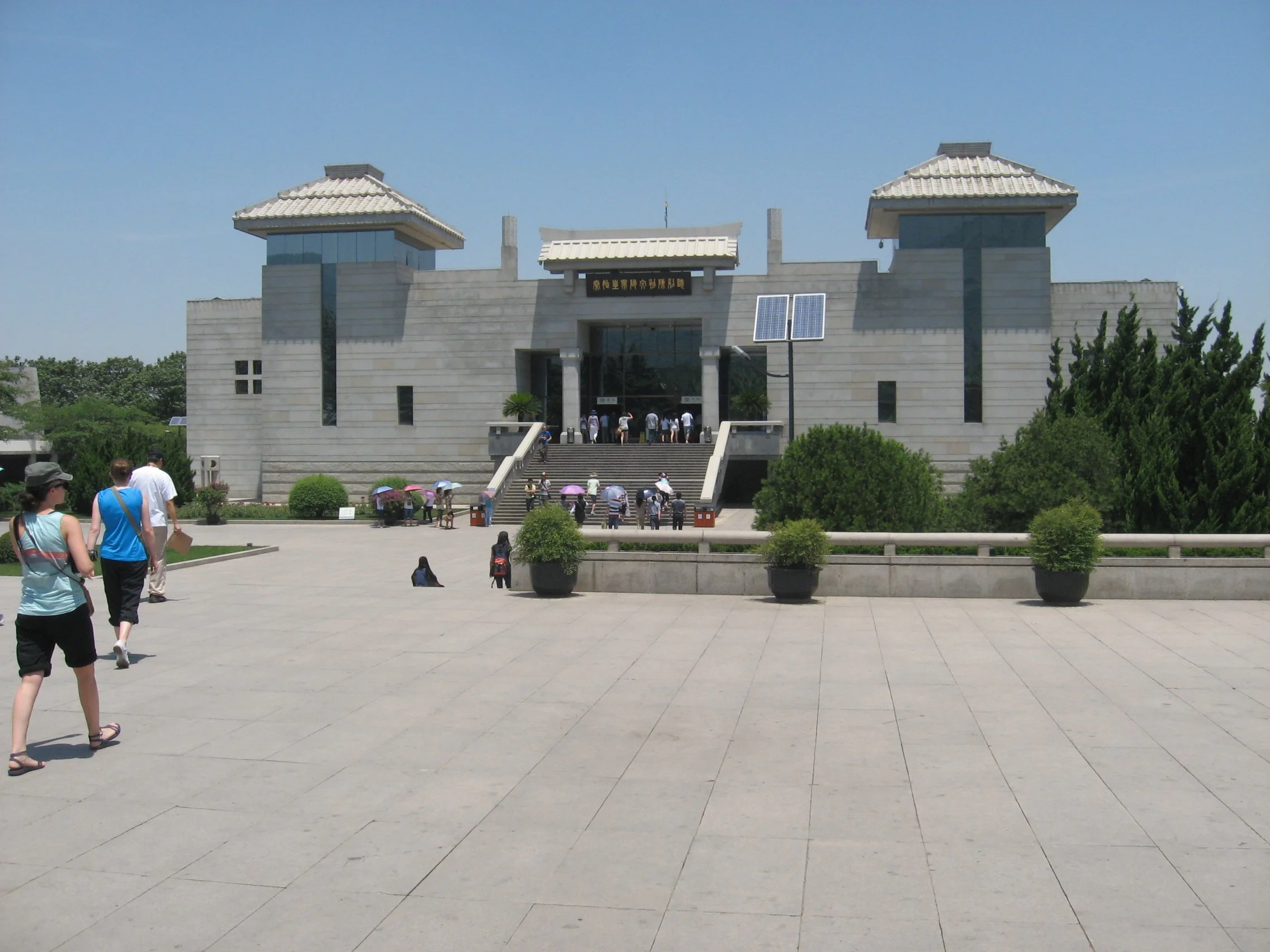
Entrance to the Terracotta Army Museum
As for opening hours they actually vary by travel season, below are the opening hours for the excavation pits, exhibits and museum. Noe that final entry is 5:00 PM for he museum:
Peak Season (March 16th - November 15th): 8:30 AM - 5:00 PM (Museum closes a 6:30 PM)
Low Season (November 16th - March 15th): 8:30 AM - 4:30 PM (Museum closes a 6:00 PM)
And any tickets purchased are only valid for that specific day.
One important thing to know before visiting the Terracotta Army is that you will need your passport to enter, especially if you’re a foreign traveler.
And these tickets do sell out as well, especially if you’re traveling during peak season. Mind you that A LOT of domestic tourists travel here too, not just foreigners…
So if you’re traveling during peak season or Chinese national holidays then I strongly recommend booking your Terracotta Army Tickets online here via Klook so you can avoid the long queues trying to buy them at the entrance.
Or if you’re going on the Guided Terracotta Army Tour I was talking about earlier, you need not worry.
Exploring the Mausoleum and the Terracotta Army
This is my favorite picture that I took of the Terracotta warriors, he’s just so cool
Alright, with the important stuff out of the way, let’s get to actually exploring Emperor Qin Shi Huang’s Mausoleum along with this 8,000 strong Terracotta Army.
I would recommend giving this place a solid 4-5 hours to properly explore, because there is quite a lot to see here.
The main highlight is definitely the Excavation Pits, of which there are 3, but Pit 1 is particularly noteworthy. Moreover there is a Museum with a pretty extensive exhibition hall containing artifacts, the large burial mound (Lishan Garden) where the Qin Shi Huang’s tomb is believed to be located, and of course the souvenir shop.
So, let’s get to exploring the Terracotta Army!
Terracotta Army Excavation Pits
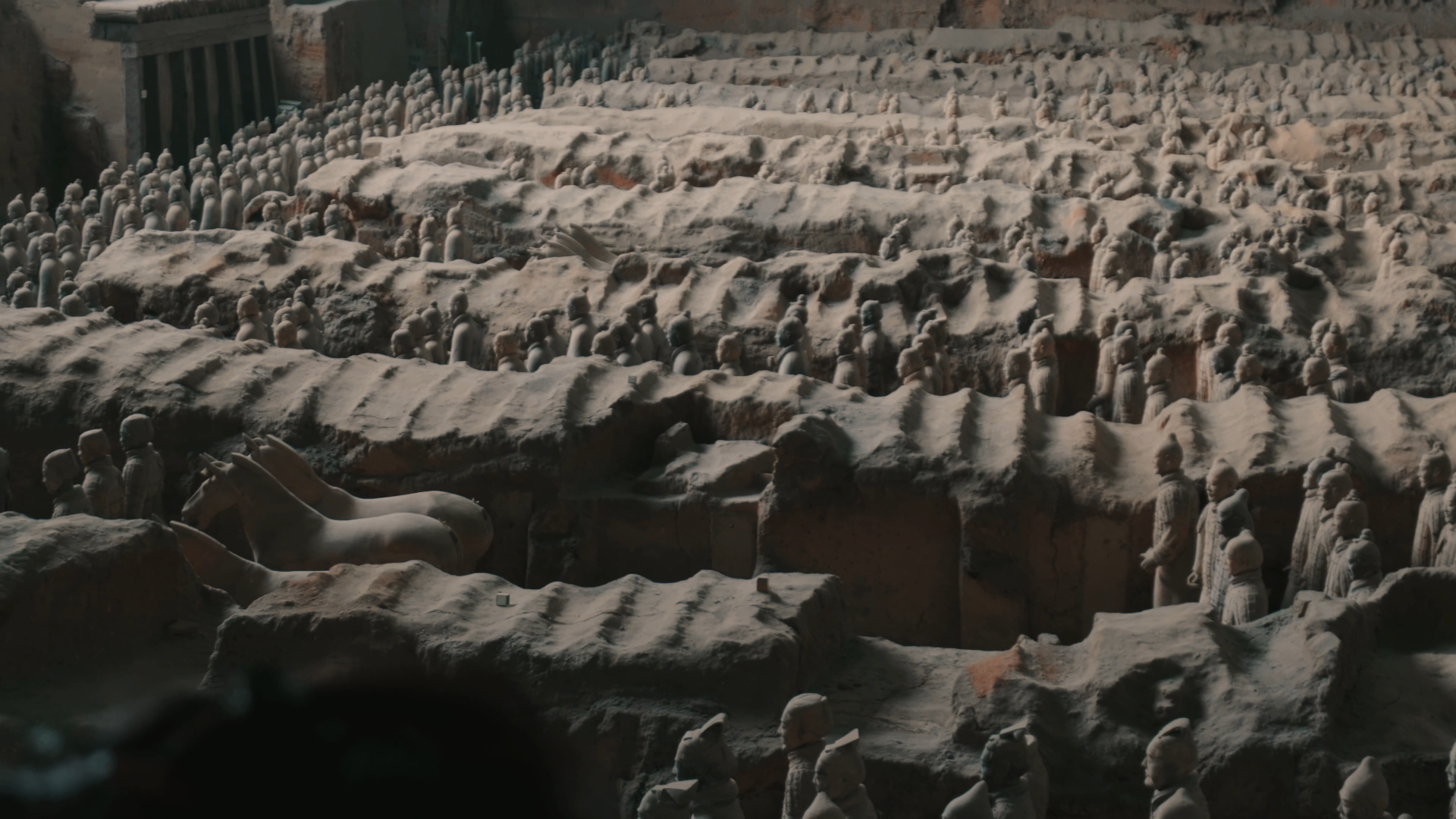
I’m not sure if those separating walls contain more terracotta warriors or not
Let’s start off with the thing that a lot of you are most excited for, the excavation pits containing the actual Terracotta Warriors themselves.
There are 3 pits in total, each showcasing different aspects of the Terracotta Army composition.
Pit 1 - The Largest Pit, A Grand Display of the Terracotta Army
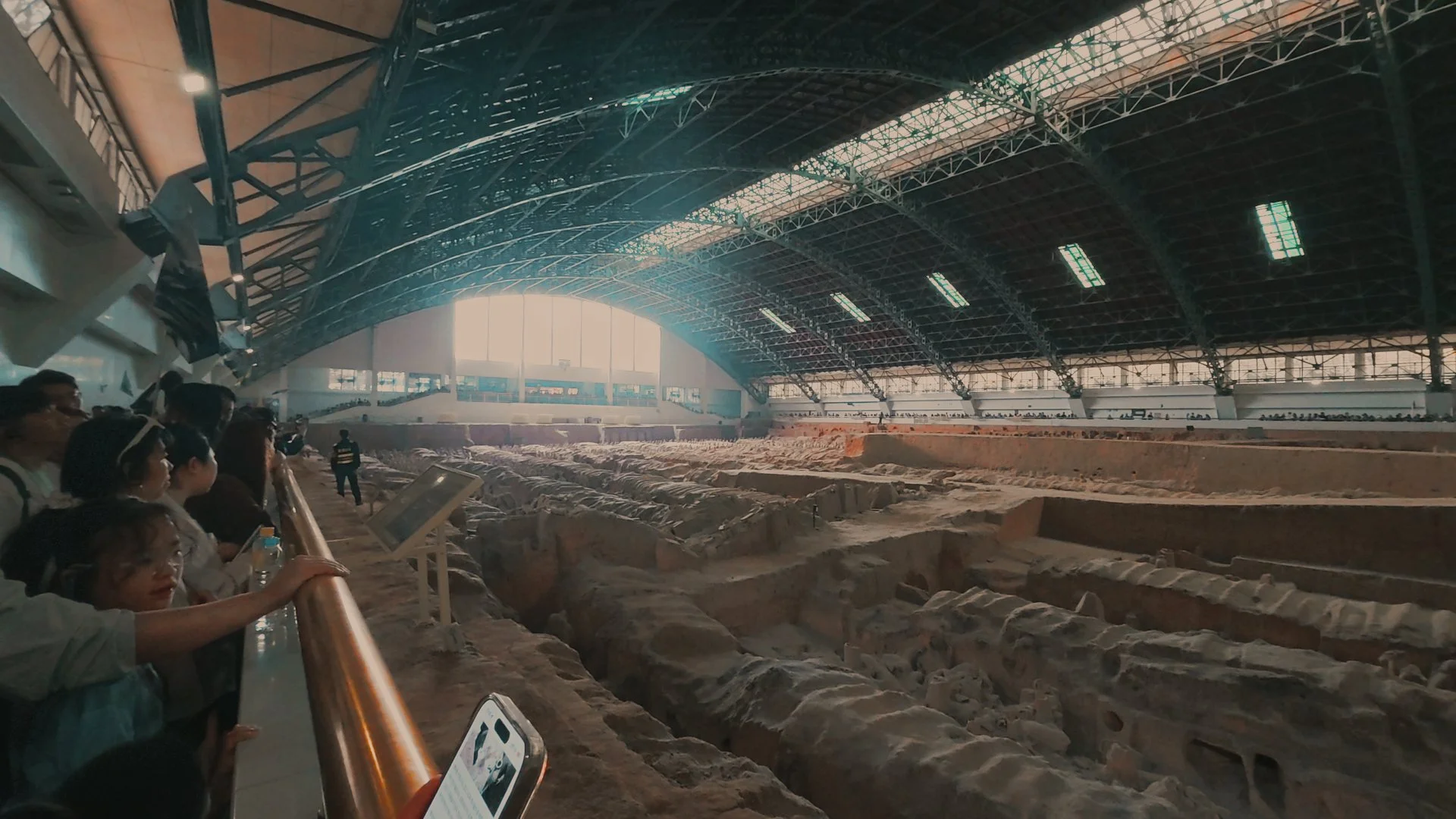
The sheer size of Pit 1 is surreal. It’s soooo big
Pit 1 is easily the most jaw-dropping part of the Terracotta Army and the moment I stepped down into this massive 230 meter long and 62 meter wide enclosure, I was literally awe-strucked…
I mean, yeah seeing the Terracotta Army with my own eyes IS my personal travel bucket list item but man. It is INCREDIBLE, the scale of it all genuinely feels surreal in person.
The huge hangar-like building, contains endless rows of life-sized terracotta warriors standing in columns in battle formation. With the front row dedicated to the frontline shock troops, the far back are the archers, and the flanks are guarded by a column of vanguard soldiers.
YES, these lifeless clay figures are organized in an actual battle formation, not by modern day researchers and restorists but actually planned out by ancient architects, advisors, and military strategists. From this superfluous detail alone, I hope you get the idea of how mindblowing this whole ancient 2000 year old mausoleum is.
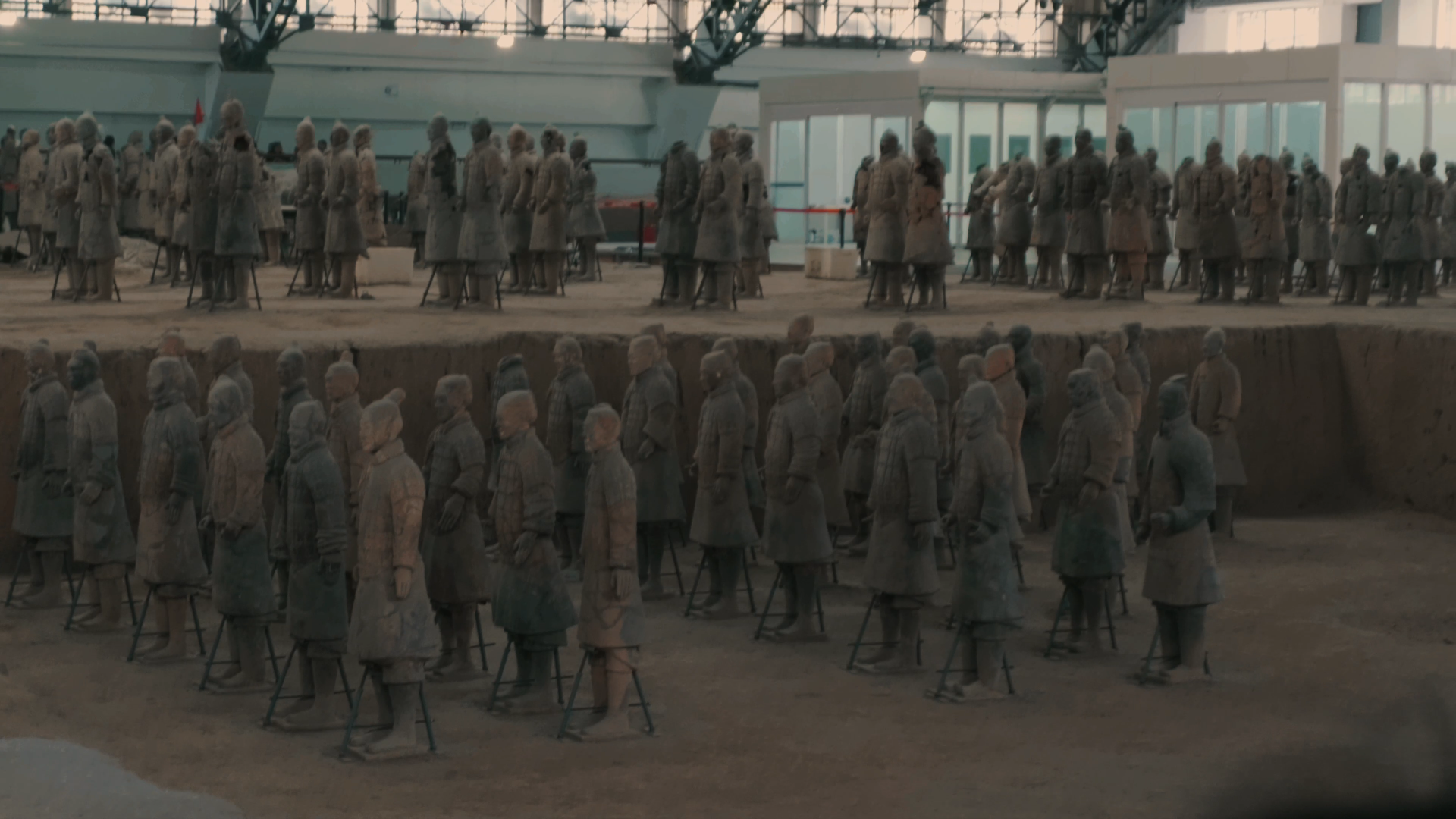
Some terracotta warriors still under reconstruction and restoration
It is estimated that Pit 1 alone contains more than 6,000 terracotta soldiers and horses, although not all of them have been fully excavated yet. Only roughly 2,000 the warriors are fully excavated and on display.
Pit 1 is also where the Terracotta Army was first discovered back in March 1974 by local Chinese farmers. In fact you can even see a sign pointing to the exact location (being the water well that was being dugged by the famers) where the discovery was made.
And you can see at the far back of the hanger, there is still archeological and restorative work being done on quite the number of Terracotta Warriors, with broken terracotta pieces, partially uncovered warriors.
So if you’re planning photos, the front entrance is definitely the place to be for an all encompassing photo of the entire hanger.
Pit 2 - Admiring the Composition of the Army and Warriors
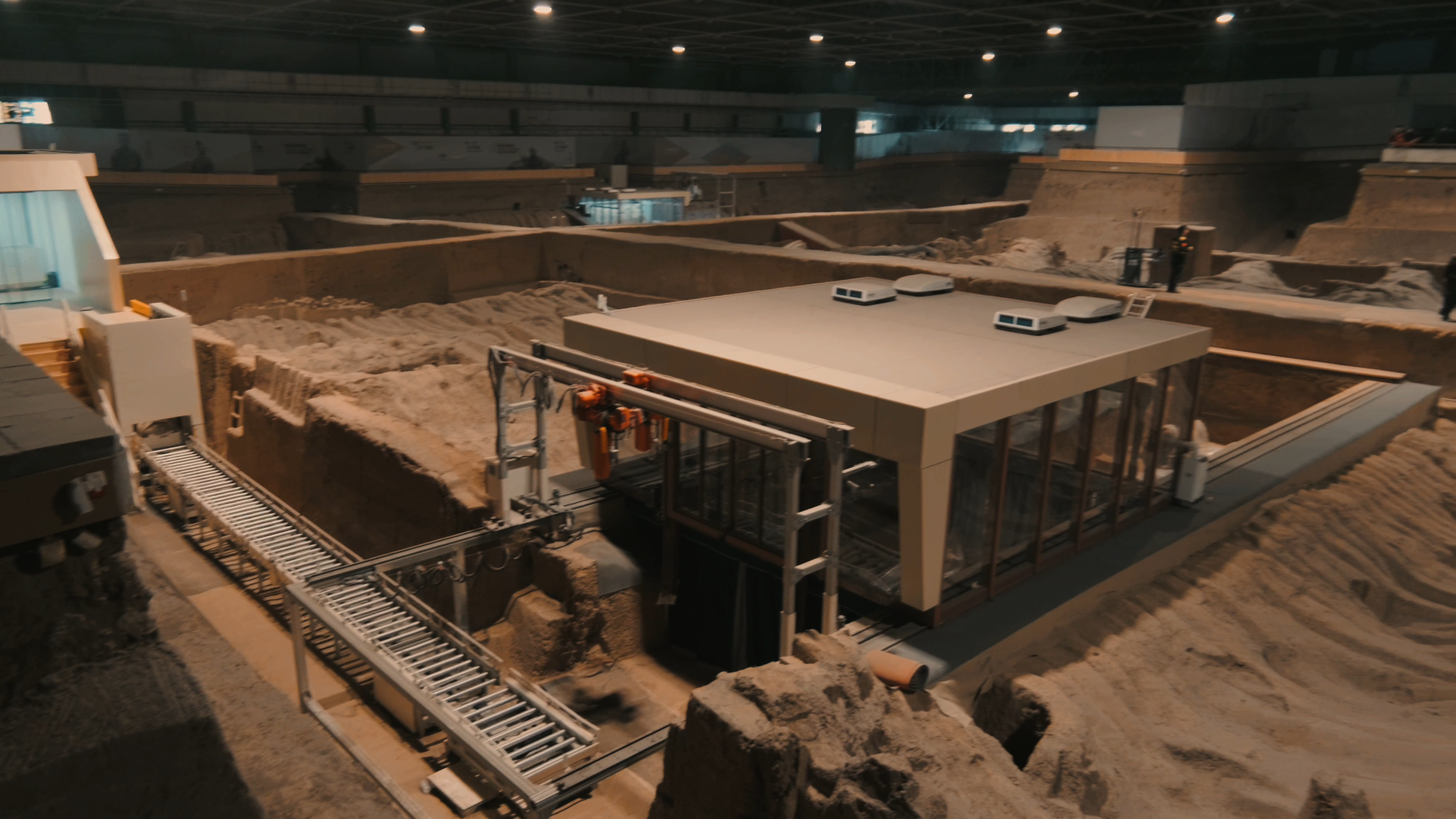
You can see that restorative work is still being done in Pit 2
Pit 2 of the Terracotta Army ended up being one of the most interesting sections for me because it gives you a much better understanding of how the ancient Qin army was actually organized.
While Pit 1 is impressive with its massive scale, Pit 2 is where you can admire the details of each Terracotta Warrior up close. Pit 2 is also still actively under heavy excavation, and you’ll definitely notice with those big indoor rooms dotted across the pit
In this pit are also a wider array of troop types including cavalry units, kneeling archers, standing archers, chariots, and infantry soldiers all positioned strategically for battle.
But do doubt the coolest aspect of Pit 2 are the five glass display cases housing different Terracotta warriors for you to actually inspect up close. These aren’t replicas, they are REAL figures.
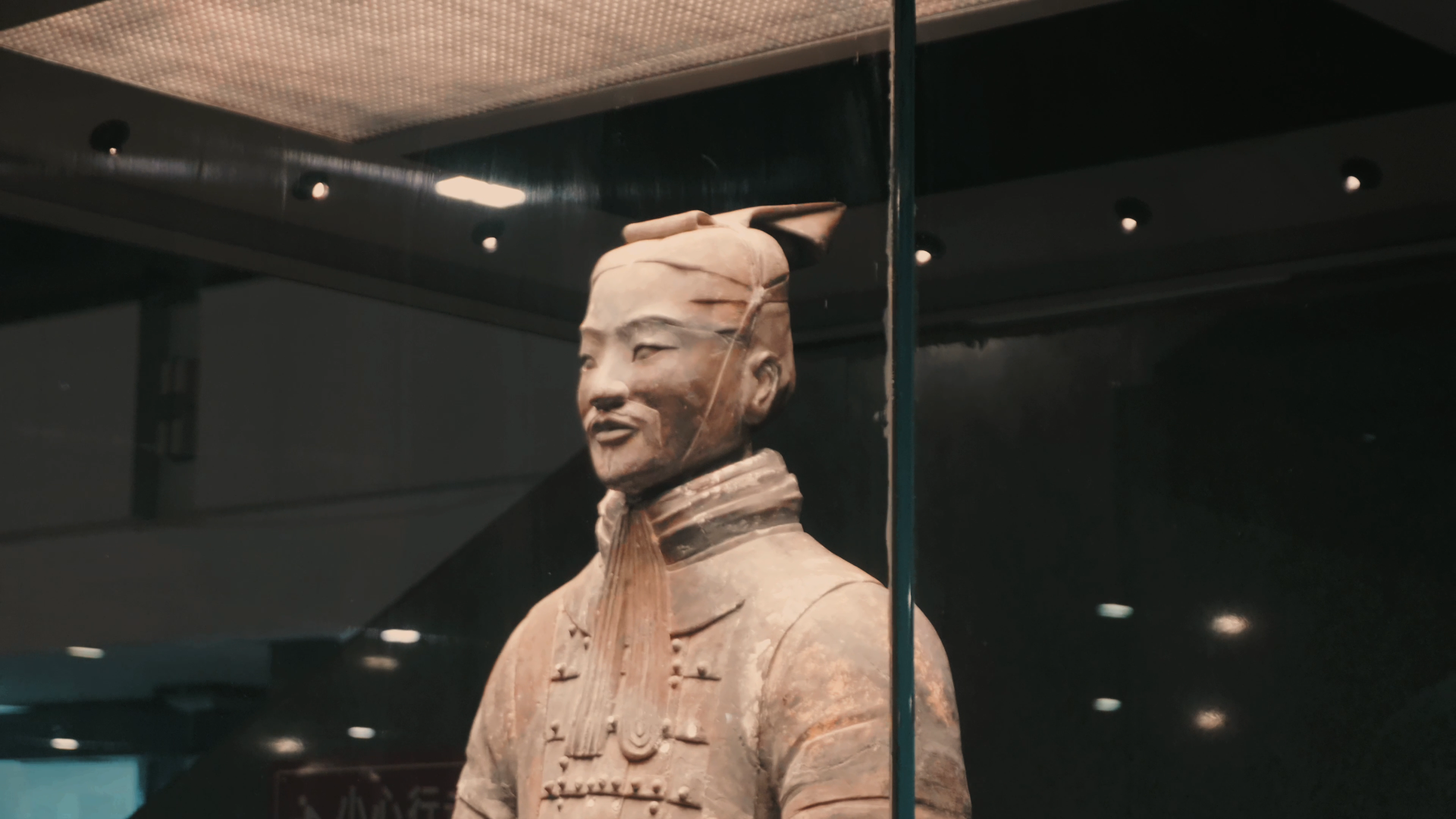
You can get up close and admire the details of the Terracotta warriors in here
In these display cases are:
A Kneeling Archer
A Standing Archer
A Cavalry Warrior
A High-Ranking Officer
A Middle-Ranking Officer
Here you can really appreciate the tiny details like facial expressions, hairstyles, armor designs, and even the soles of the warriors’ shoes, which is something you cannot fully see from the larger viewing platforms.
Each of these warriors are so incredibly detailed, imagine that thousands of years ago, sculptists and labourers painfully crafted 8,000 of these warriors… Insane.
It’s also here we’re you’ll notice that each warriors has a completely different face, height, and build. It’s so impressive that each individual clay figure is it’s “own” person.
Pit 3 - The Terracotta Army’s Command Center
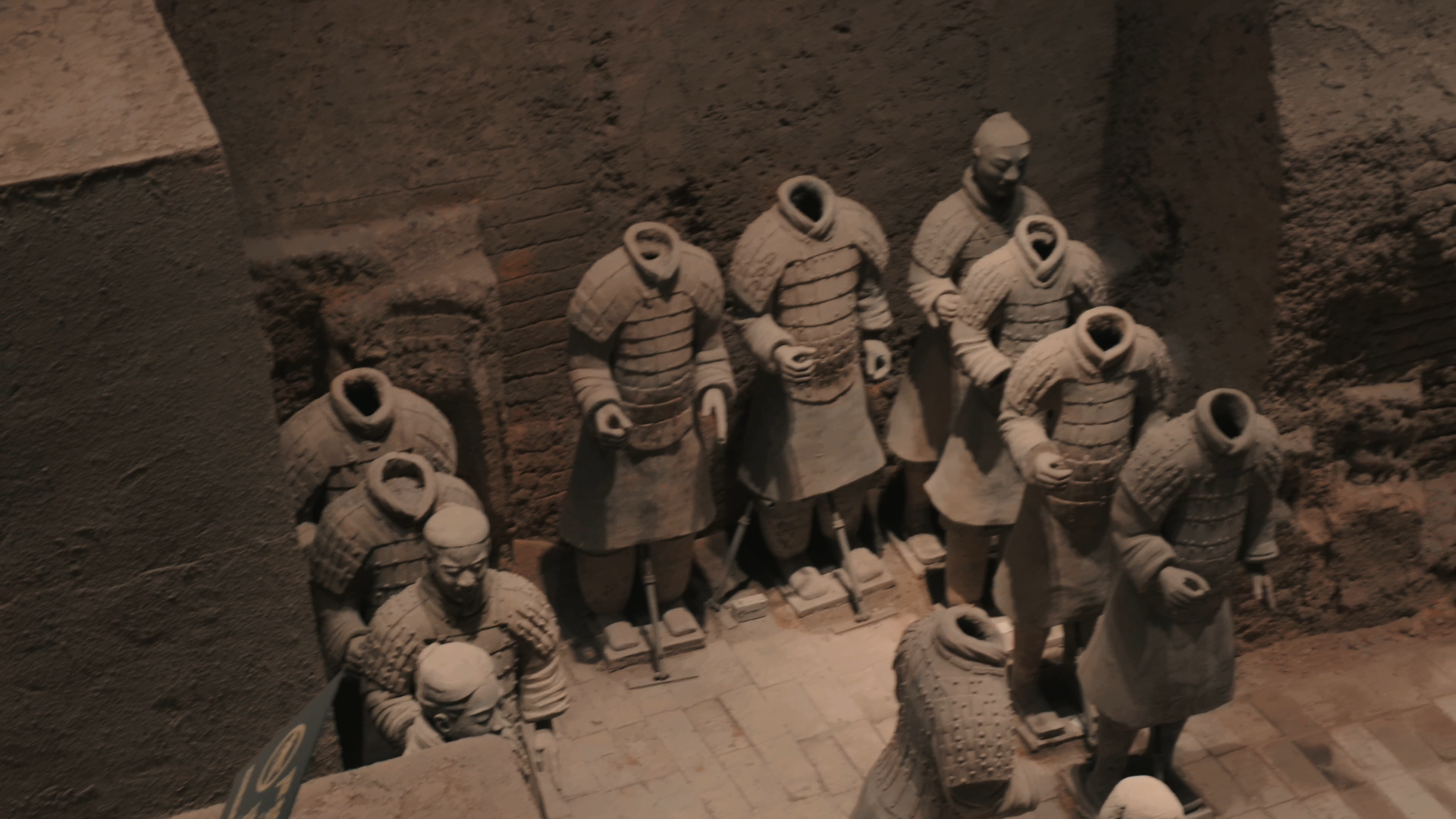
It is believed that grave robbers destroyed the heads of these Terracotta Warriors
The final pit, Pit 3 is the smallest excavation pit at the Terracotta Army site. Archaeologists believe this section served as the command center of the Terracotta Army, where high-ranking officers would have directed the ancient Qin military forces.
Inside the pit, you can get a closer look at the terracotta horses and wooden chariot formations, and the smaller layout makes it easier to appreciate the craftsmanship and details that might be harder to notice in the larger pits.
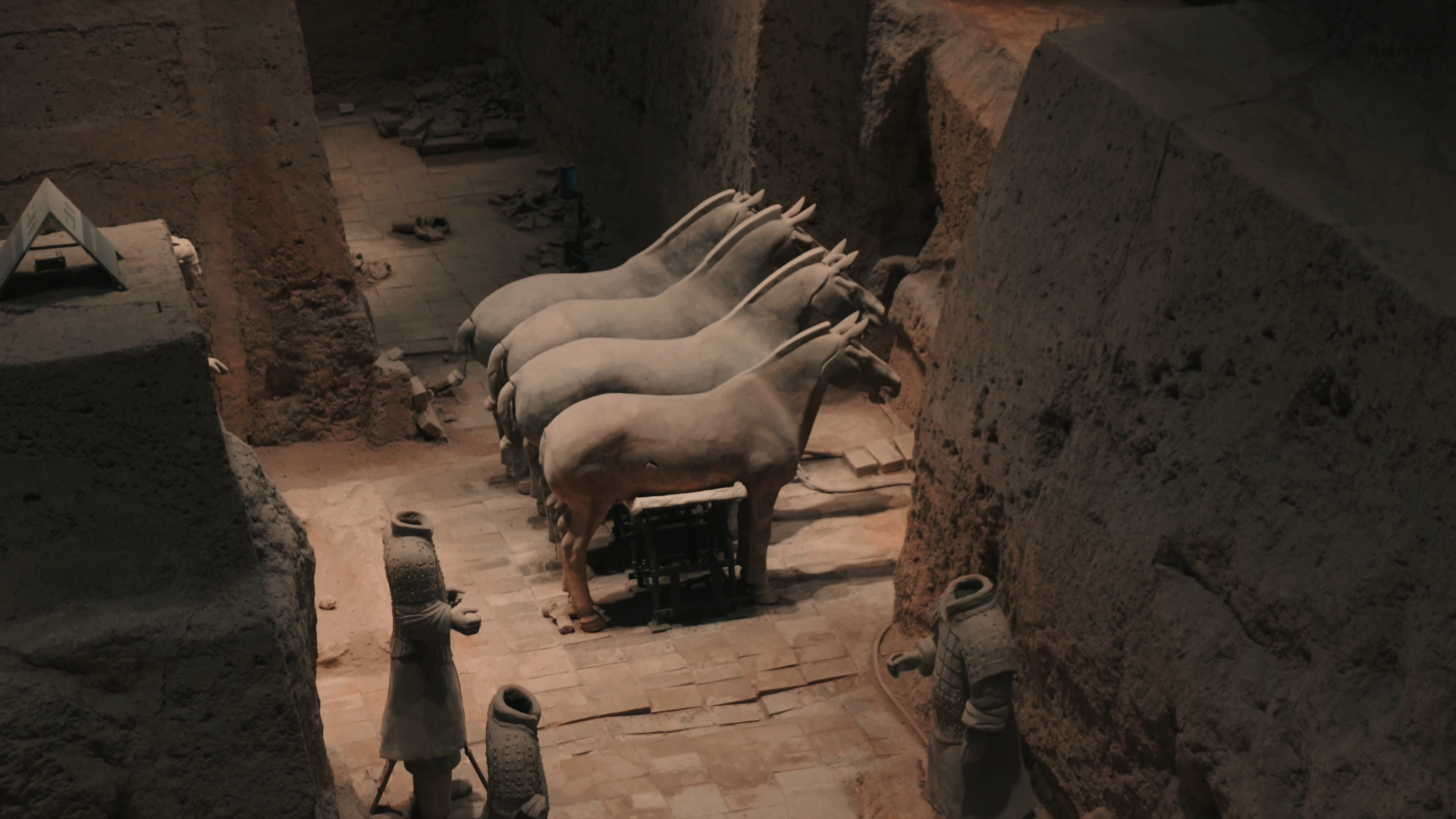
Intact sculptures of the Terracotta Army’s horses
As you walk around Pit 3, there are information plaques along the walls explaining the different terracotta warriors, military positions, and theories behind the command structure of the army, which I found really helpful for understanding the historical significance of the site.
One funny detail that I noticed is that despite this pit being considered the command center of the Terracotta Army, the actual commander-in-chief appears to be missing.
There’s many theories to this, but it’s mainly believed that the grand Terracotta Army is led by the Emperor himself, but to uphold the image and the supreme Emperor, his likeness was not included amongst the Terracotta Army.
Terracotta Army Museum Exhibition Hall
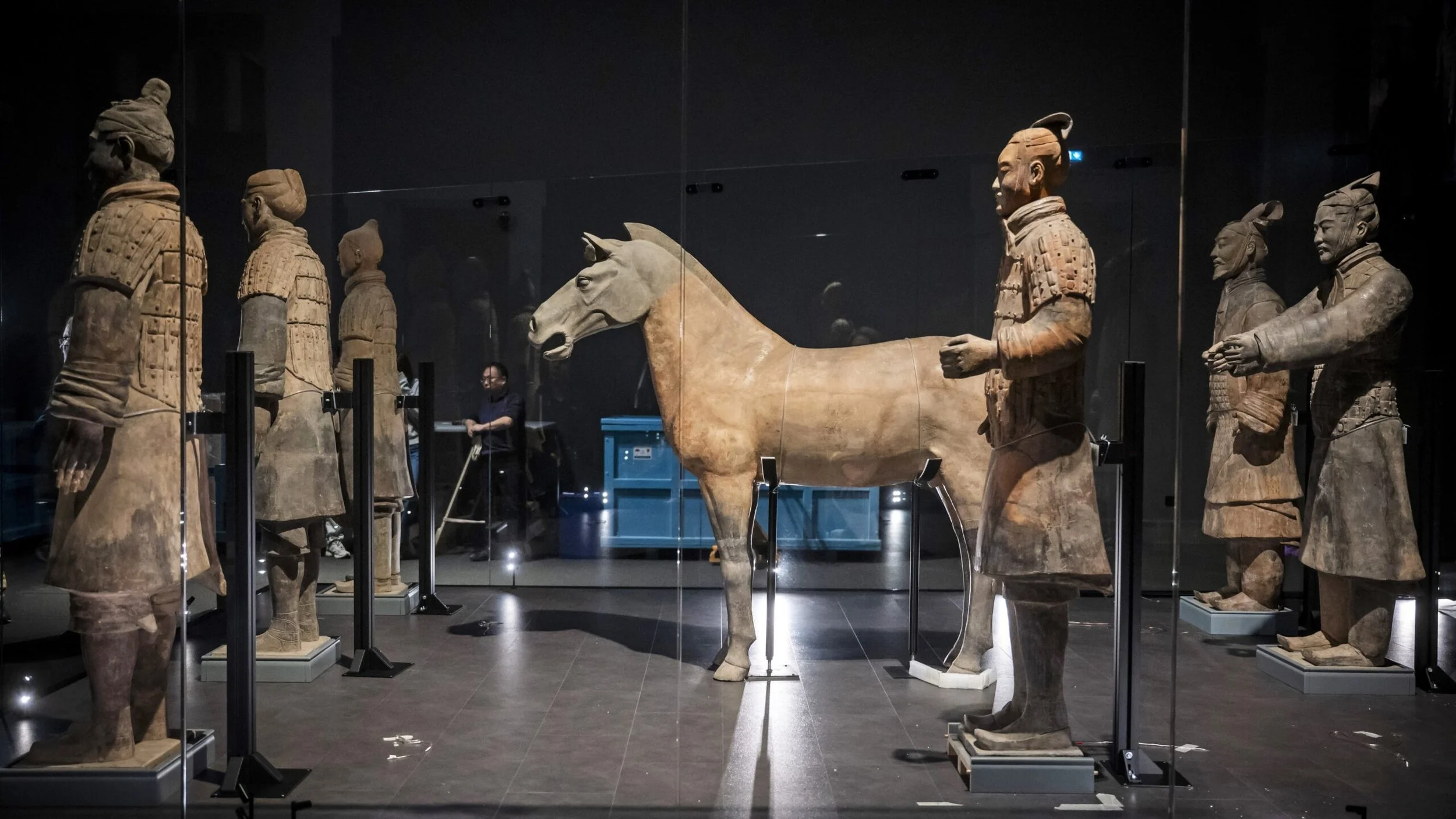
You can see even more details of the Terracotta Warriors at the museum
Even though there are no more pits to explore, don’t leave yet! Because one part of the whole Terracotta Army Museum that many visitors overlook is well the actual Museum itself.
After seeing thousands of terracotta warriors lined up in the excavation pits, the exhibition hall gives you a chance to slow down and actually learn more about the history behind the Terracotta Army and the Qin Dynasty.
Inside, there are displays of ancient artifacts, restored terracotta figures, bronze weapons, armor pieces, and archaeological discoveries uncovered from the mausoleum complex.
I found this section really helpful because it adds much more context to what you are seeing in the main pits and if you’re a history enthusiast then you owe it to yourself to take a walk, entrance is included in your ticket so there’s no excuse! Unless you’re short on time…
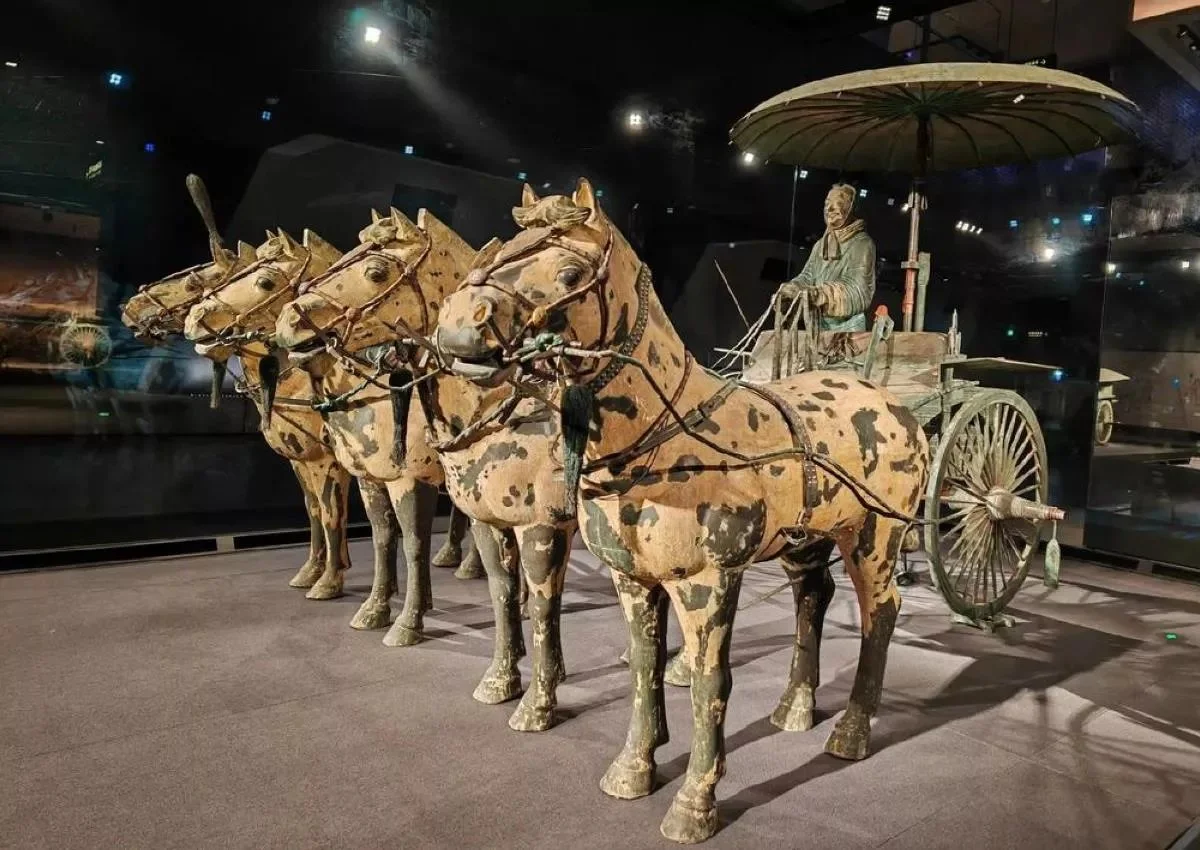
The iconic bronze chariot of the Terracotta Army museum
The exhibition hall also features detailed information panels explaining how the Terracotta Army was built, the military structure of Emperor Qin Shi Huang’s army, and the restoration process that archaeologists still continue today.
A major highlight here is the Bronze Chariot exhibit where you can see incredibly detailed ancient chariots and horses that were buried as part of the emperor’s mausoleum.
The craftsmanship is stupendously amazing when you see it up close, especially considering these artifacts are over 2,000 years old.
Definitely do not skip this section because it helps you appreciate just how advanced and ambitious this entire archaeological site really was.
Terracotta Army Souvenir Shop
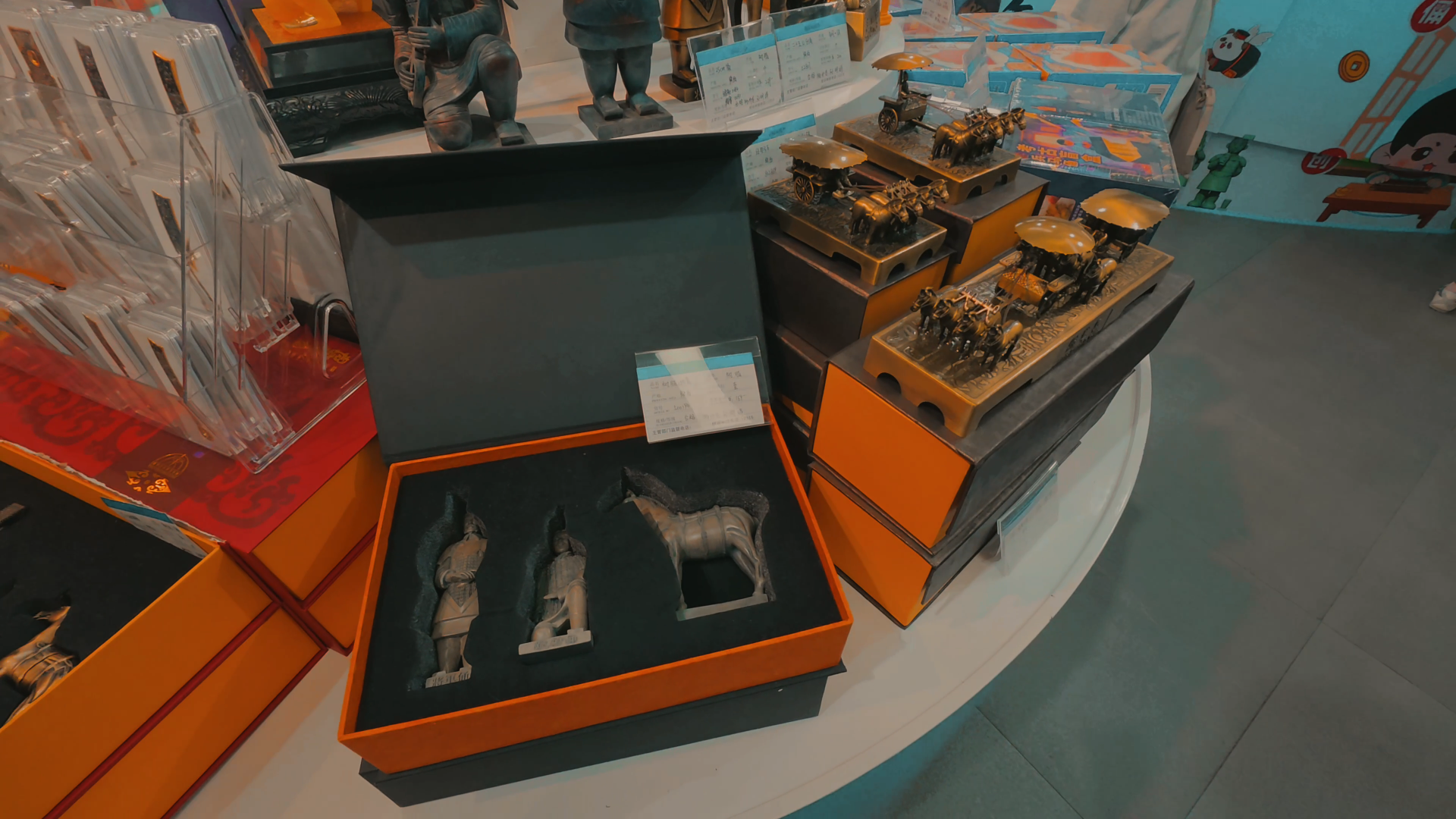
Some metal figures of the Terracotta Warriors at the souvenir shop
Right next to the Terracotta Army Museum, you will find a pretty extensive souvenir shopping area filled with all kinds of Terracotta Army themed merchandise.
There are so many fun little items to browse through, you will find everything from Terracotta Army stickers, fridge magnets, post cards, those wooden building things, key chains, (legally not) Lego building sets, and detailed metal warrior models that is surprisingly heavy.
One thing that really caught my attention was the huge selection of blind box style toys where you randomly pull different plushies or plastic toys that have nothing to do with the Terracotta Warriors but are just there because it’s all the rage these days…
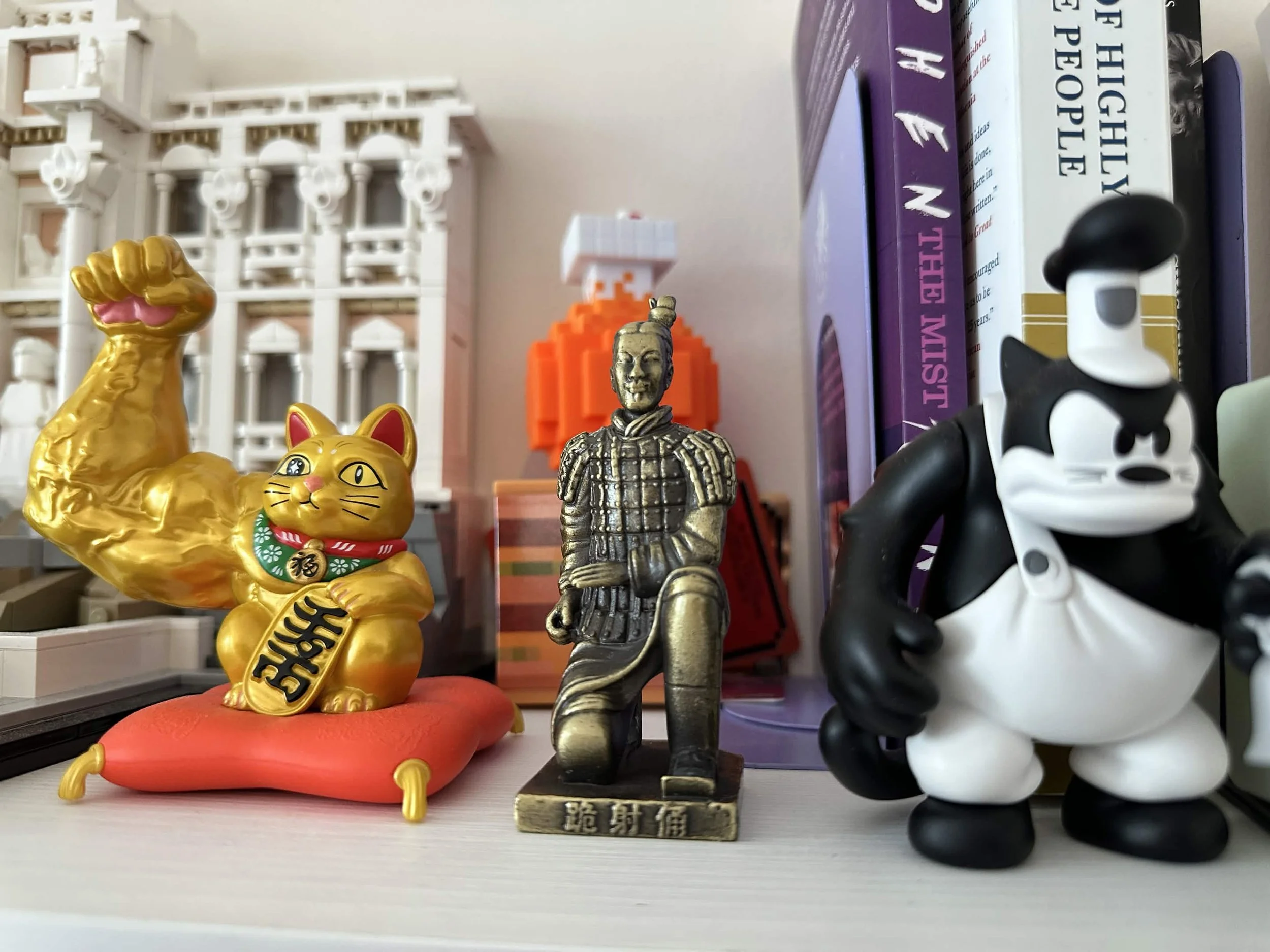
The metal Terracotta Warrior statue souvenir that I bought amongst other junk on my shelf lol.
That being said, a lot of the souvenirs sold at the museum are actually not exclusive to the site itself, and many of the exact same items can be found all over Xi’an for much cheaper prices.
I learned this the hard way after buying a Terracotta Warrior statue at the museum, only to later spot the exact same one at a random convenience store in Xi’an for way less money…
So if you really want a souvenir from the Terracotta Army, I would recommend buying smaller items like magnets or key chains at the museum for the memories, but maybe hold off on the more expensive items.
Lishan Garden (Burial Site of the Emperor)
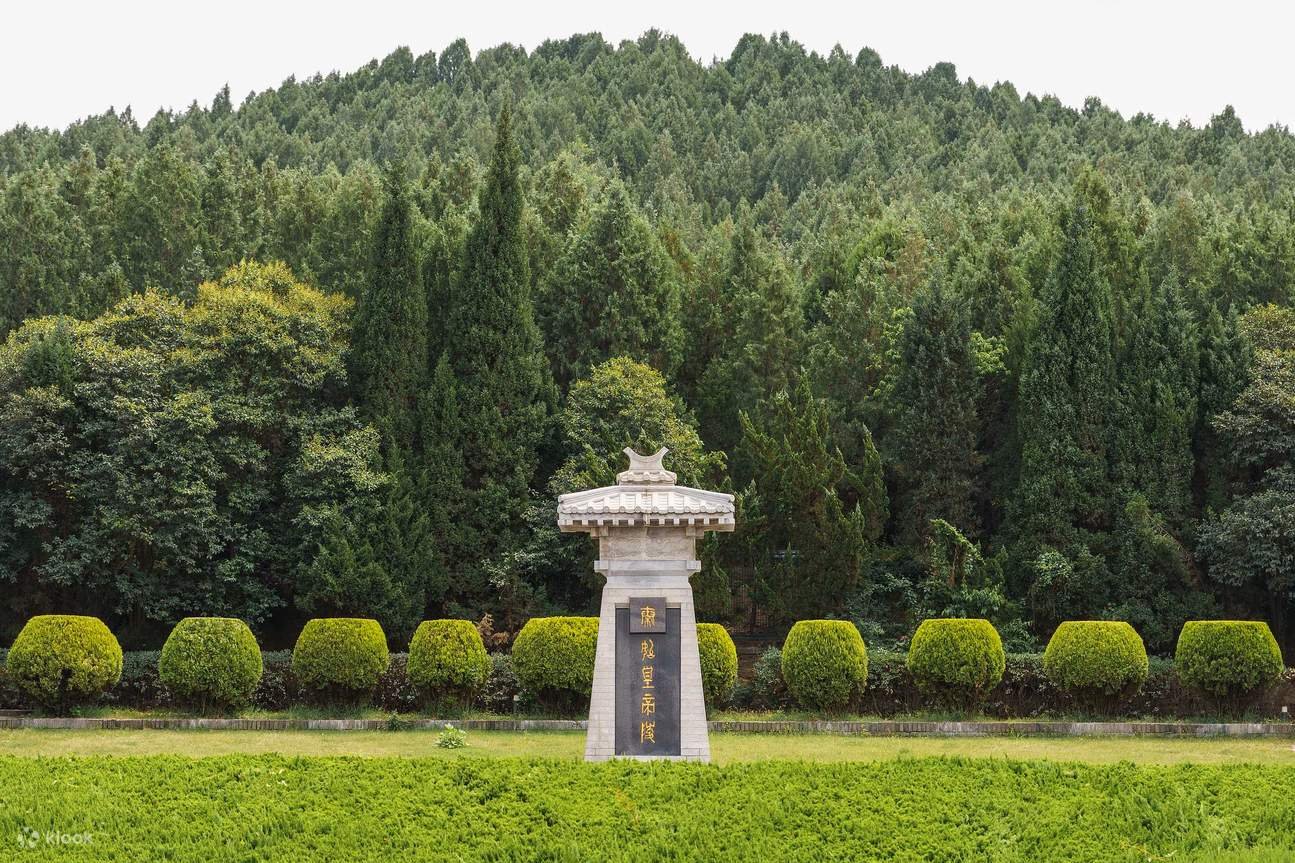
Notice the giant pyramid shaped mound in the background of Lishan Garden
Finally, I want to mention the Lishan Garden, because this is where Emperor Qin Shi Huang is believed to be buried.
The Lishan Garden is located a little farther away from the main Terracotta Army excavation pits and museum buildings, and many visitors either rush through or skip this entirely.
And it’s understandable as there is really not much to see here besides the massive pyramid-shaped burial mound believed to contain the tomb of Emperor Qin Shi Huang, which still remains unopened today.
That being said, The garden feels much calmer and more peaceful and it’s a nice place to just chill and relax. There are wide walking paths, open green spaces, and nice views of the surrounding landscape.
But it’s totally ok if you skip on it.
Is the Terracotta Army Worth Visiting?
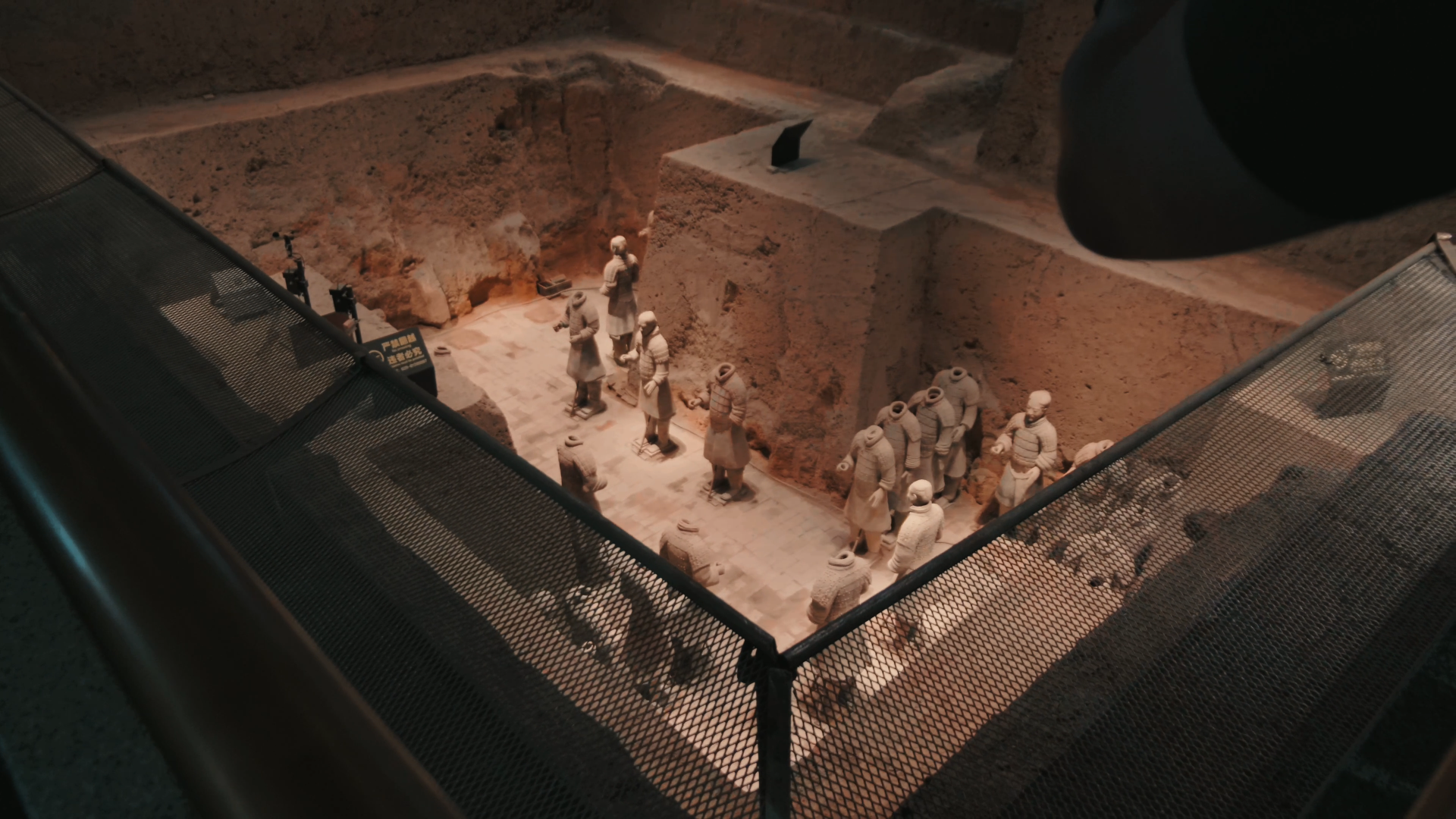
A portion of Pit 2 of the Terracotta Army
I may be a bit biased here because, I really wanted to see the Terracotta Army but in all honesty I do think it’s 100% worth it to visit the Terracotta Army, especially if you’re already in Xi’An, China.
The historical importance of the site is genuinely hard to overstate because this is one of the greatest archaeological discoveries ever made and a UNESCO World Heritage Site connected to Emperor Qin Shi Huang, the first emperor of unified China.
Even if you have already seen photos online, that’s nothing compared to the surreal experience of seeing it with your own eyes. The scale of the Terracotta Army is much larger than expected, and that feeling of stepping into Pit 1 for the first time will forever be etched in my memory.
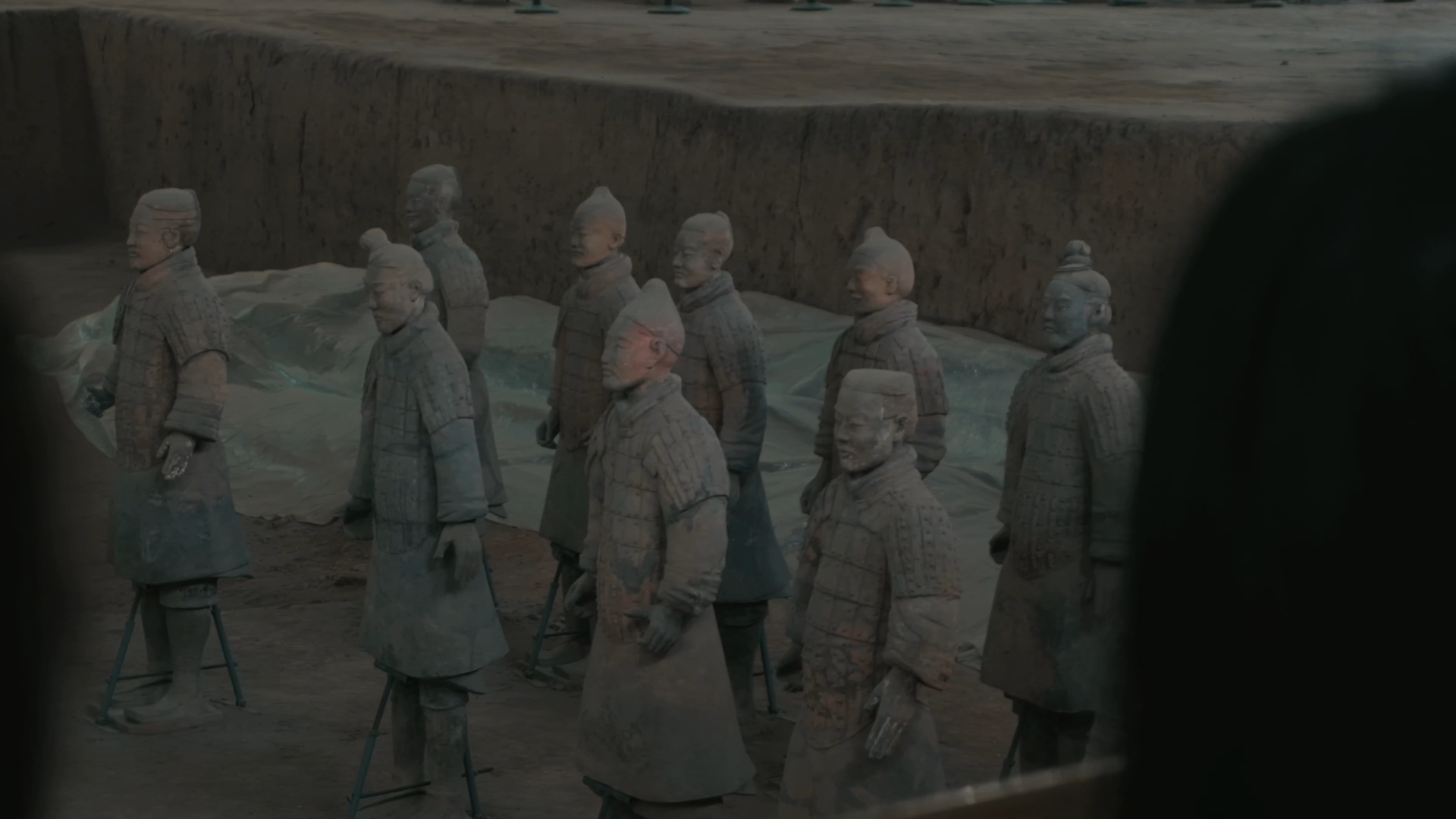
Truly incredible, these Terracotta Warriors, a marvel of ancient engineering
That being said, much like a lot of tourist attractions in China, the Terracotta Army is definitely VERY touristy, especially during peak travel seasons when you will see large tour groups.
So this is not really a quiet hidden gem type of destination. I would recommend setting aside at least half a day for the experience because between transportation, ticket queues, the excavation pits, exhibition halls, and the mausoleum area, there is actually quite a bit to explore.
Arriving early in the morning makes a huge difference too if you want slightly smaller crowds and better opportunities for photos.
This is more of a historical and cultural “sightseeing” experience rather than an interactive attraction, so if you go in expecting a museum-style archaeological site, you will probably appreciate it a lot more.
For me personally, the Terracotta Army easily ended up being one my favorite experiences in China, right next to scaling the Jade Dragon Snow Mountian.
Tips for Visiting the Terracotta Army
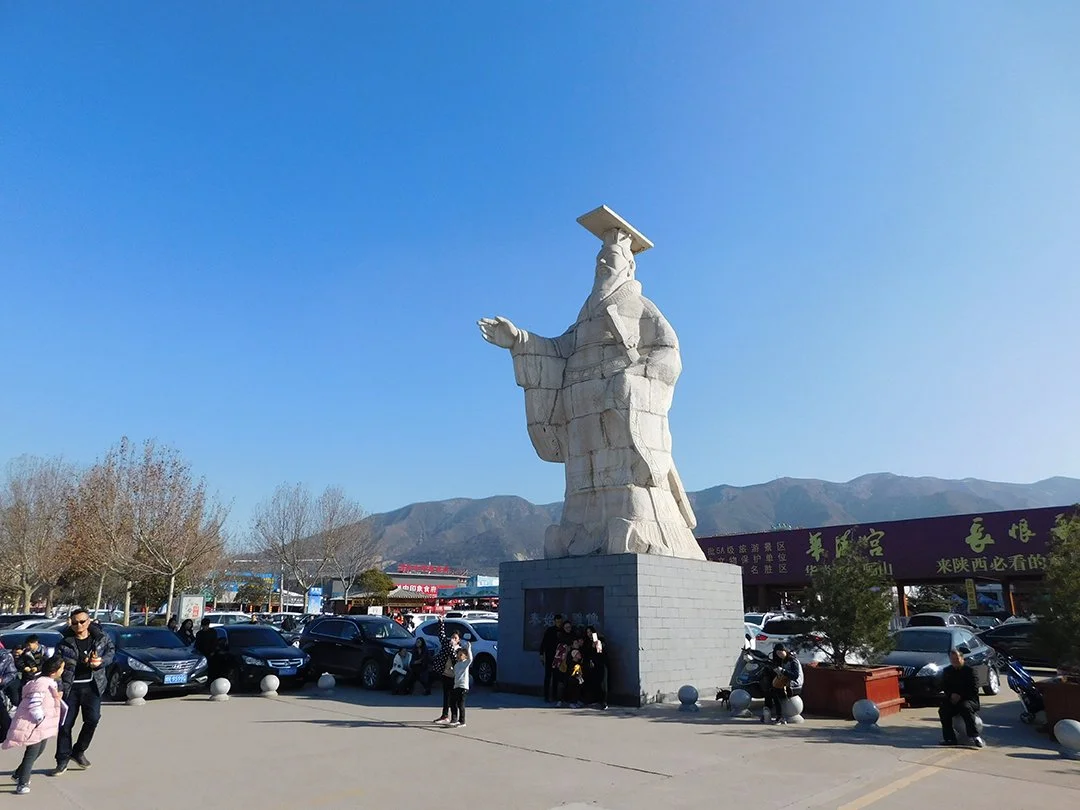
The statue of Emperor Qin Shi Huang at the entrance of the Mausoleum
Before visiting the Terracotta Army, here are a few tips that made my trip around Xi’an much smoother and less stressful.
Best Seasons to Visit - Spring and autumn are probably the best times to visit the Terracotta Army because the weather in Xi’an is cooler and much more comfortable for walking around the massive museum complex.
Chinese Public Holidays - Try to avoid major Chinese holidays like Golden Week and Lunar New Year because the Terracotta Army gets incredibly crowded.
Bring Your Passport - If you’re a Foreigner bring your passport because it may be required for ticket verification and security checks at the Terracotta Army entrance.
Wear Comfortable Shoes - The Terracotta Army complex is much larger than it looks online, and you will be walking quite a lot.
Security Checks - Expect airport-style security screenings before entering the museum area, including bag scans and identification checks. Yes, China is strict like that.
Join a Guided Tour - If you want a more convenient experience, I honestly recommend booking This Terracotta Army Guided Tour that includes hotel pickup, entrance tickets, and an English-speaking guide because it makes the entire day much less stressful.
Download Alipay or WeChat Pay - Mobile payments are extremely common in Xi’an and throughout China, so having Alipay or WeChat Pay set up beforehand makes purchases much easier.
Bring Water - Exploring the Terracotta Army can easily take several hours, so carrying a bottle of water is honestly a good idea, especially during warmer months.
Arrive Early - Visiting the Terracotta Army early in the morning helps you avoid the largest tour groups and gives you a slightly calmer experience.
Use Translation Apps - Apps like Google Translate or Pleco can be really useful in Xi’an for reading menus, signs, or communicating outside major tourist areas.
Details About Terracotta Army
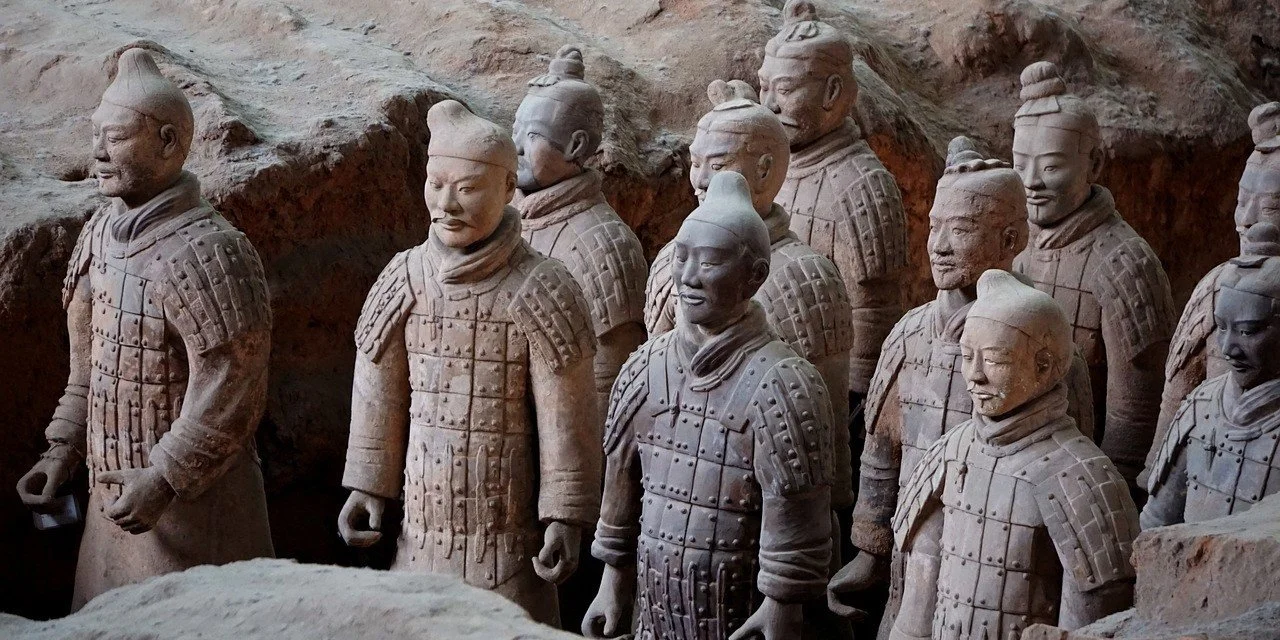
Notice how all these Terracotta Warriors have different faces
The Terracotta Army and Qin Shi Huang’s Mausoleum is one of the most famous historical sites in China and one of the top attractions to visit in Xi’an.
Built over 2,000 years ago for Emperor Qin Shi Huang, the first emperor of unified China, the massive mausoleum complex features thousands of life-sized terracotta warriors, horses, and chariots buried to protect the emperor in the afterlife.
Today, the Terracotta Army is recognized as a UNESCO World Heritage Site and is considered one of the greatest archaeological discoveries in the world, attracting visitors from across the globe to explore its enormous excavation pits, ancient artifacts, and fascinating Qin Dynasty history.
Location: Lintong District, Xi'An, Shaanxi, China, 710612
Phone: +86 298 139 9127
Opening Hours: 8:30 AM - 5:00 PM (Museum closes at 6:00 PM)
Entrance Fee: 120 RMB (~$17 USD) per person
Other Attractions in Xi'an, China

The Tang Dynasty Performance was a highlight of my trip to Xi’An
After exploring the Terracotta Army, there are still plenty of incredible places around Xi’an that are worth adding to your Xi’An Itinerary, especially if you want to experience more of the city’s history, culture, and famous food scene.
Xi’an City Wall - One of the most famous landmarks in Xi’an, one of the best preserved city walls in China and surrounds the historic old town area. You can walk or rent a bicycle along the top of the wall for amazing views.
Muslim Quarter - Famous throughout China as one of the best places for street food and local snacks. The area is packed with grilled lamb skewers, hand-pulled noodles, roujiamo Chinese burgers, persimmon cakes, and countless food stalls.
Big Wild Goose Pagoda - Originally built during the Tang Dynasty over 1,300 years ago, one of Xi’an’s most important Buddhist landmarks.
Tang Dynasty Show (With Dumpling Banquet) - A fun cultural dance performance with adrenaline pumping music, dancing, colorful costumes, all paired with a multi-course artisan dumpling banquet where you can try different styles of handmade dumplings.
Mount Huashan Day Trip - Known as one of the most beautiful and dangerous mountains in China, Mount Huashan features dramatic cliff side trails, cable cars, incredible mountain scenery, and panoramic views.
Looking for Things to Do in China?
Useful Resources for Traveling in China
Tourism Information - All the information you need when traveling in China
5G eSim - Bypass the great Chinese firewall with this eSim
Discounted Tickets - Attractions, transports, shopping, etc…
Hotels and Accommodation - Find the best hotels in China that is right for you
Check Out My Other China Blog Posts!
Guide to Exploring the Xi’An Muslim Quarter - MUST EAT Chinese Street Foods!
Ultimate Shangri-La City Travel Guide: All the Things to Do in Shangri-La
Visiting the Jade Dragon Snow Mountain in Lijiang, China! 4506 Meters High!
Exploring Dali Ancient City in Yunnan, What to see in the Historical Old Town!
Ultimate 5 Day Hong Kong Itinerary for the Best Things to Do, Eat, and See
Ultimate 1 Day Macau Itinerary: A Guide to the Best Things to Do and Eat!
CHECK OUT OUR OTHER ARTICLES!